Practical guides to peptide pens in Bali
Product details, simple comparisons and practical guides for your next Bali order.
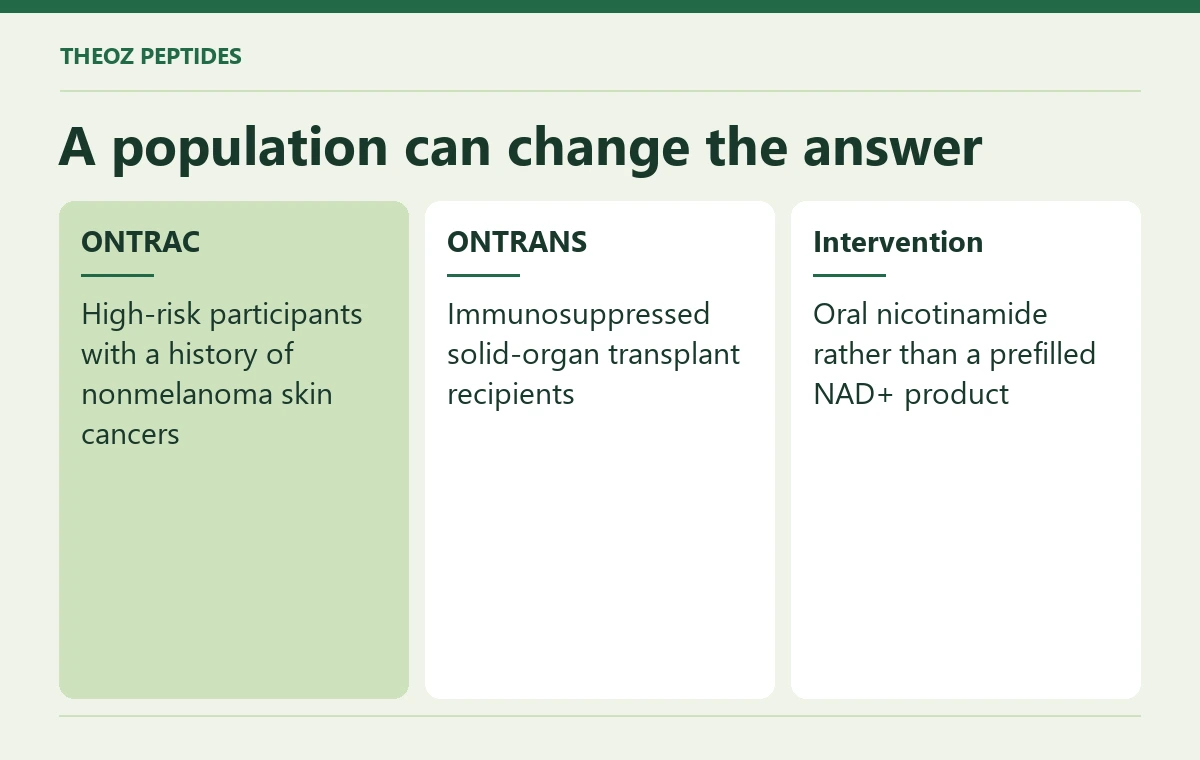
Why two nicotinamide skin-cancer trials gave different answers
Sun exposure is an everyday consideration in Bali, so a headline about a B3 compound and skin cancer can attract attention.
Read the article →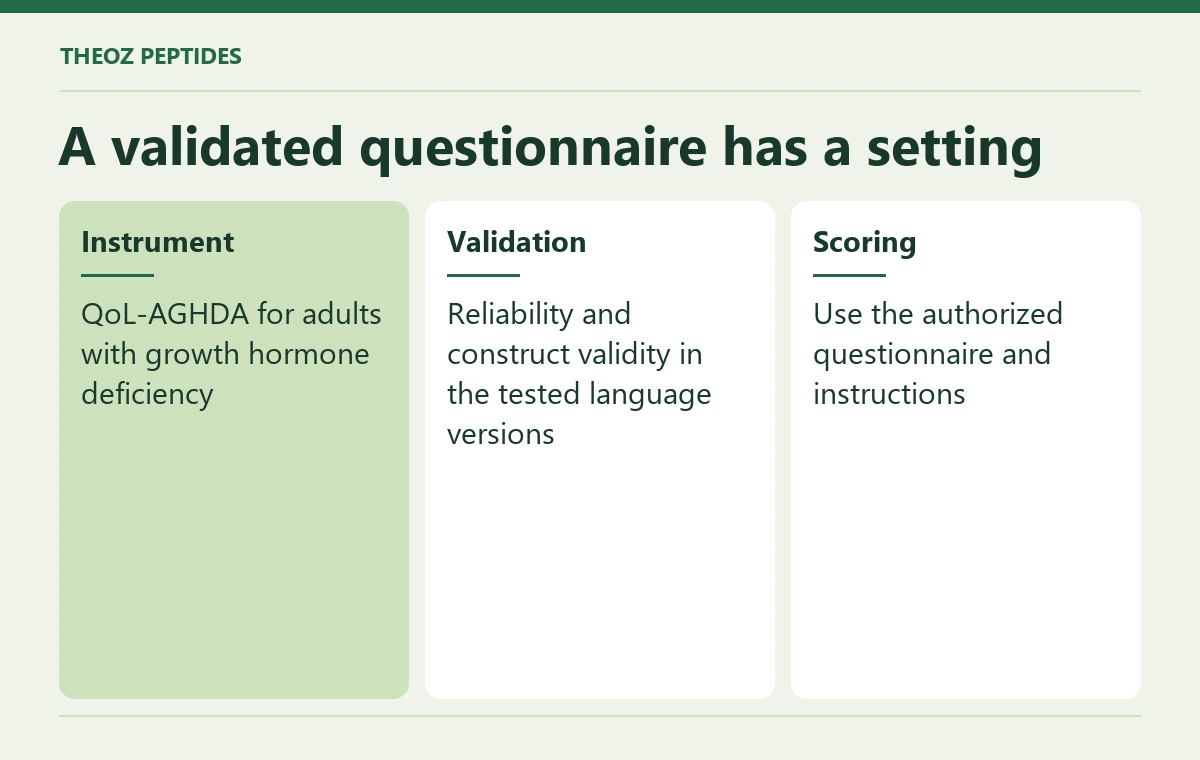
Quality of life in adult GH deficiency: why translating the questionnaire matters
A question about fatigue or social participation may sound easy to translate.
Read the article →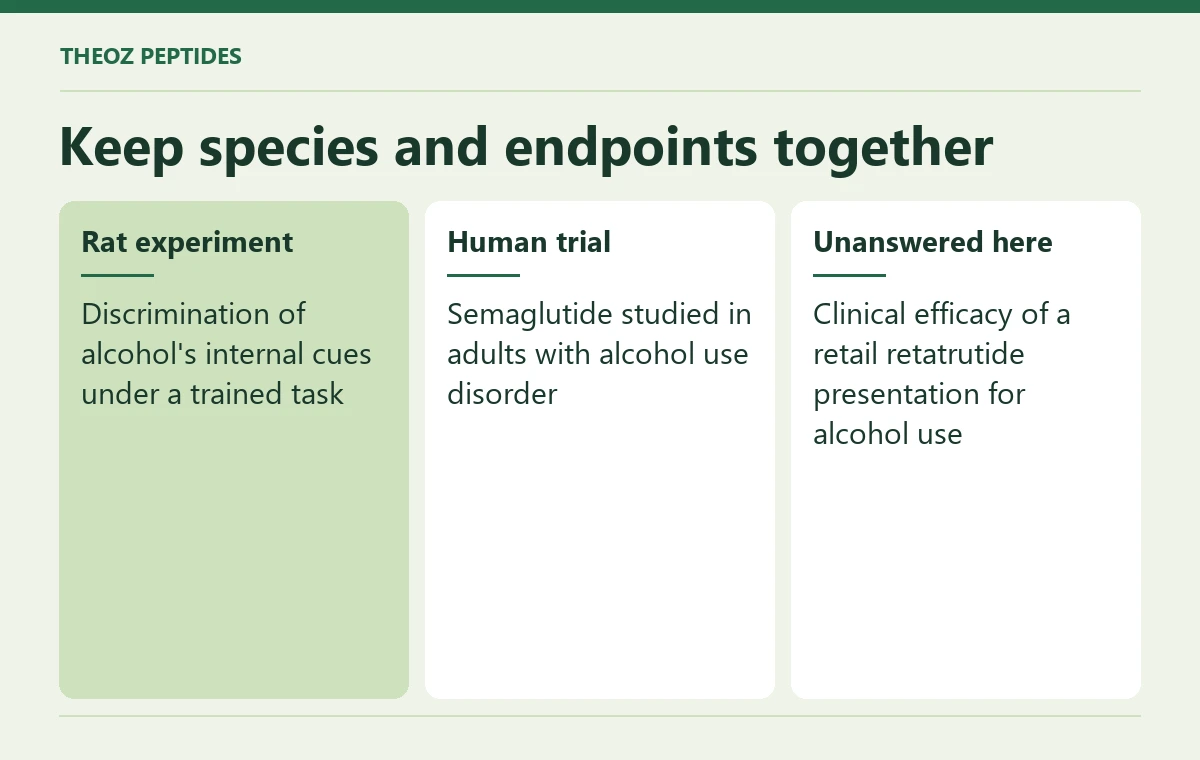
Retatrutide and alcohol cues: what a rat discrimination study actually tested
A headline that a peptide reduced the effects of alcohol could refer to alcohol consumption, craving, intoxication or the ability to recognize an internal…
Read the article →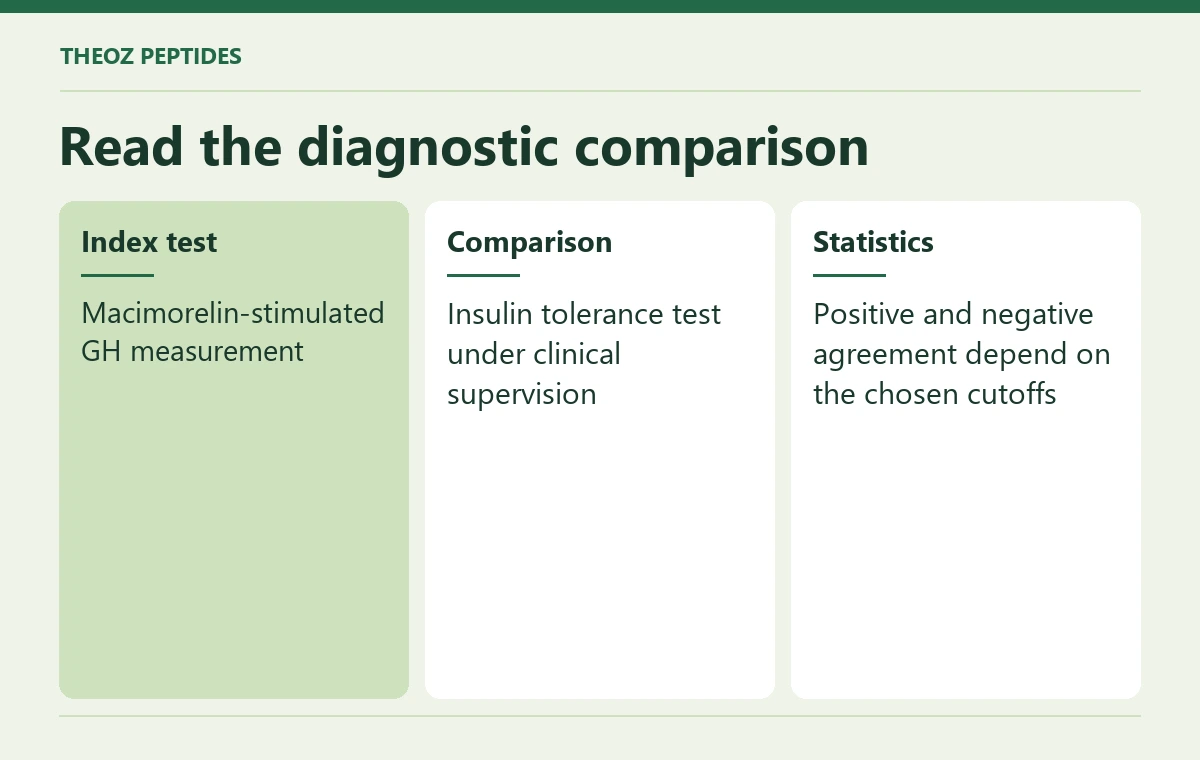
Macimorelin and the insulin tolerance test: what did “agreement” measure?
Two growth hormone tests can agree on many people and still disagree for a particular patient.
Read the article →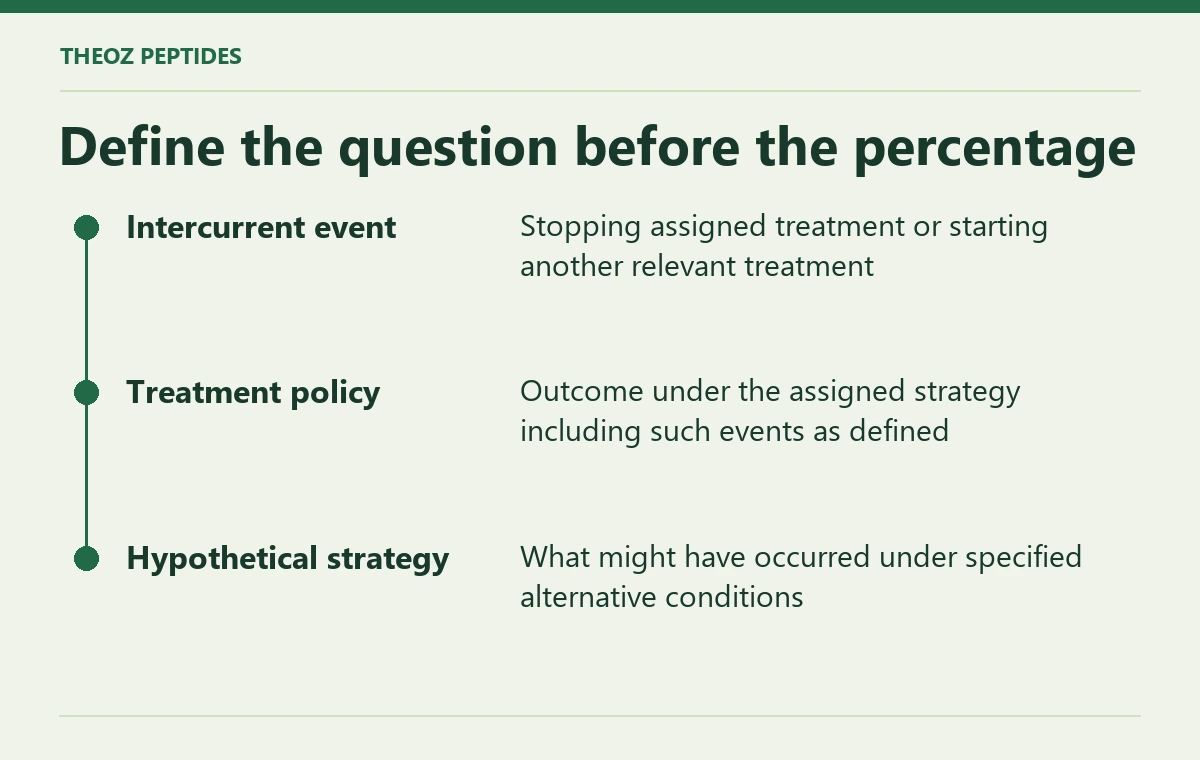
Retatrutide results after treatment stops: which question does the estimate answer?
A patient can stop a study medicine yet remain in follow-up.
Read the article →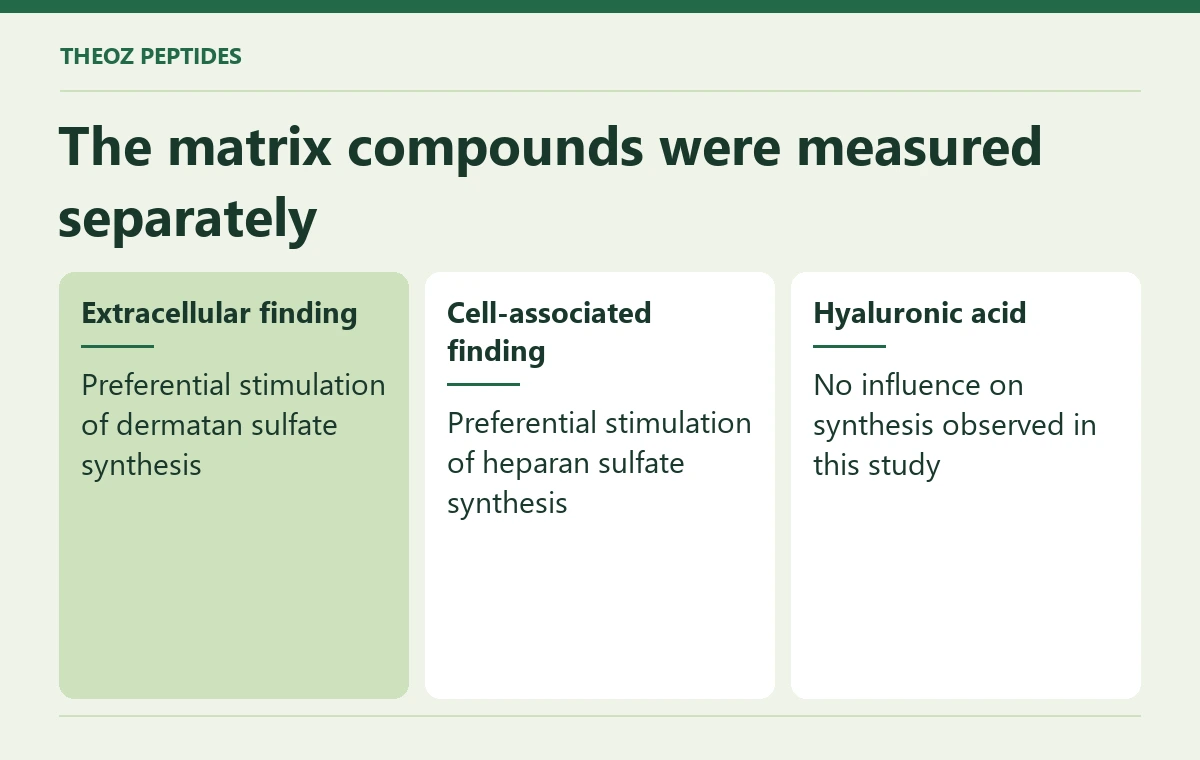
Did GHK-Cu increase hyaluronic acid in the fibroblast experiment?
A product description saying copper peptide “stimulates the skin matrix” can conceal an important result: not every matrix component responded the same…
Read the article →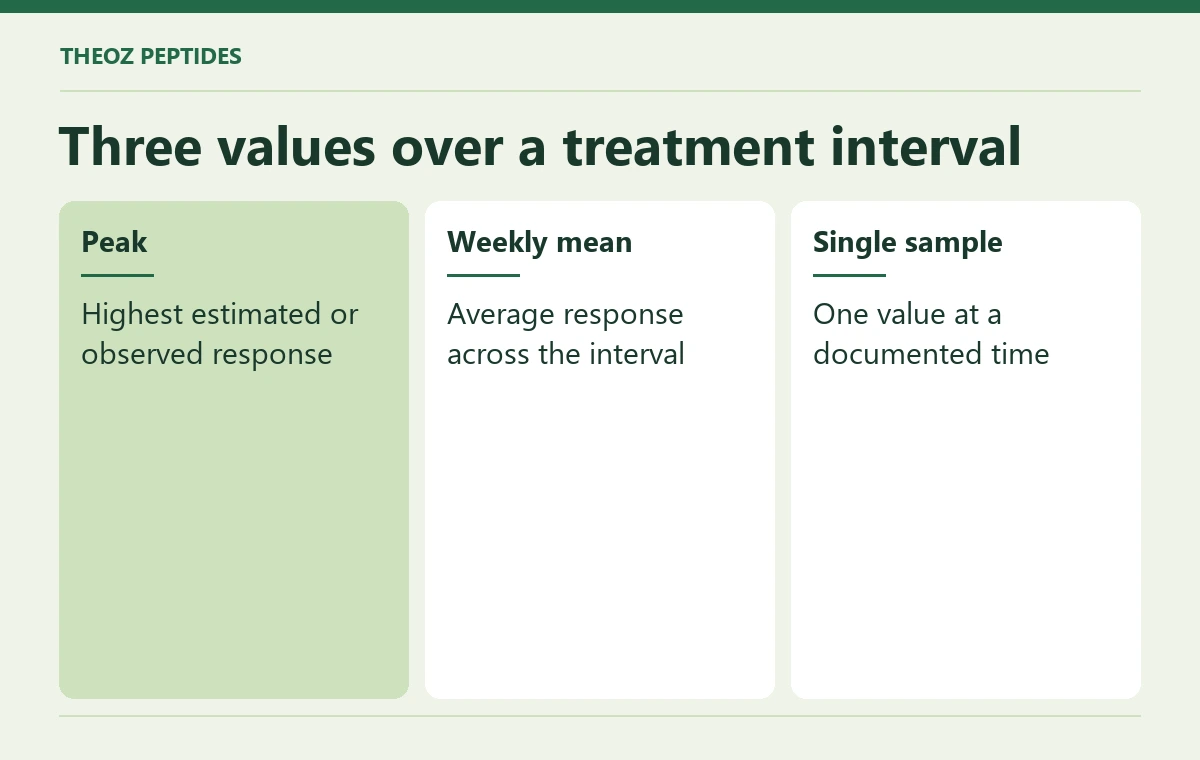
Can one IGF-I sample stand in for a week on long-acting growth hormone?
An IGF-I result obtained early in a treatment interval can answer a different question from one taken later.
Read the article →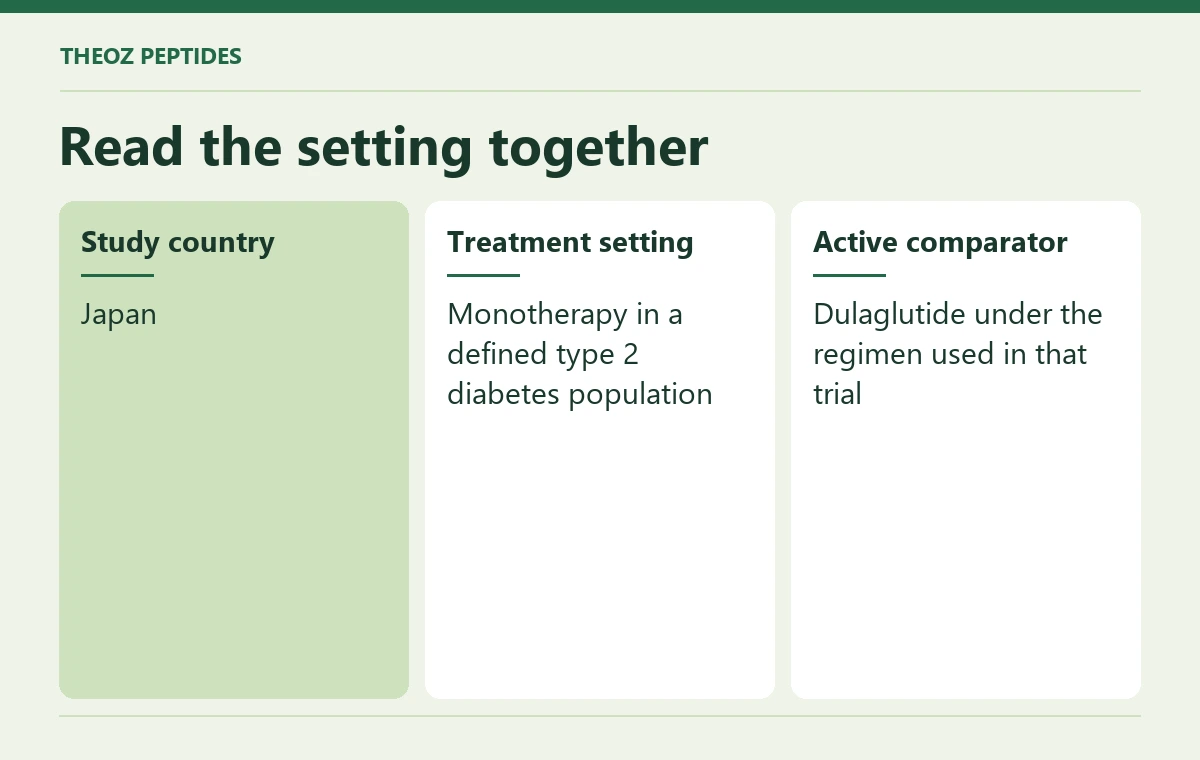
SURPASS J-mono in Japan: what “monotherapy” changes for a Bali reader
Clinical research from another Asian country can feel geographically closer to Bali than studies in Europe or North America.
Read the article →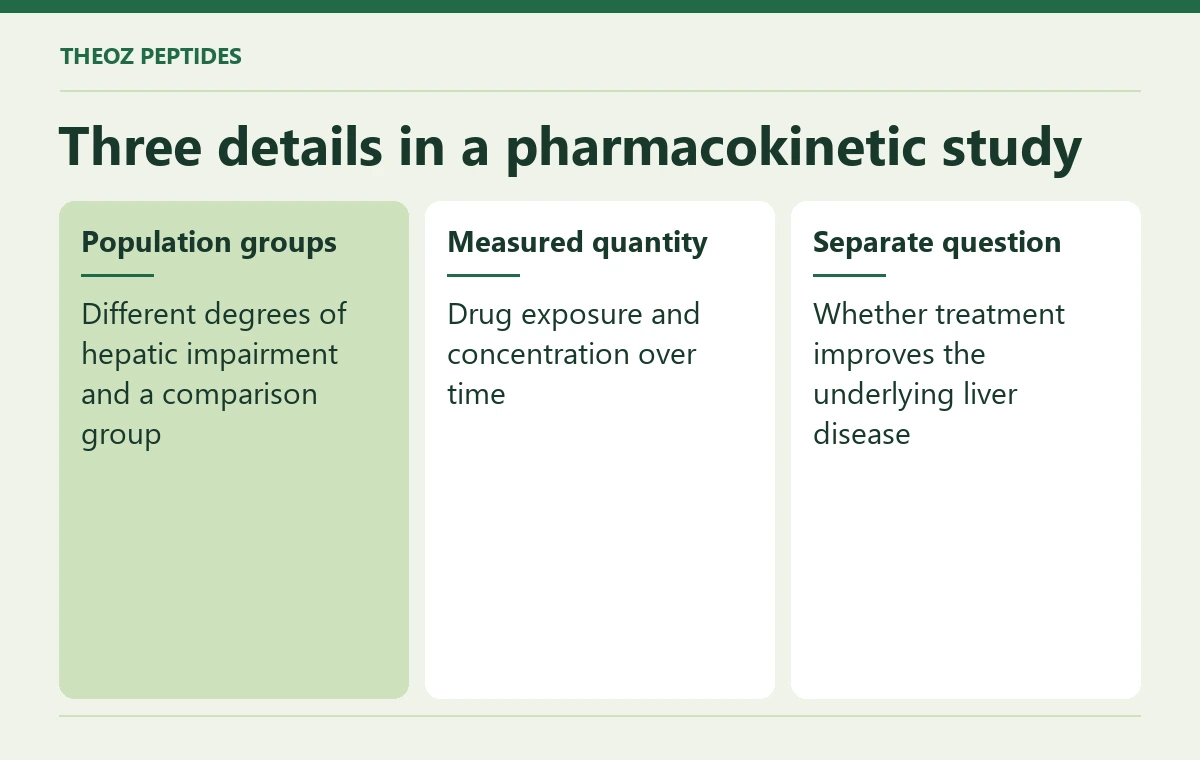
Tirzepatide in hepatic impairment: what the Child–Pugh pharmacokinetic study tested
A paper about a medicine in liver disease can ask one of two nearly opposite questions.
Read the article →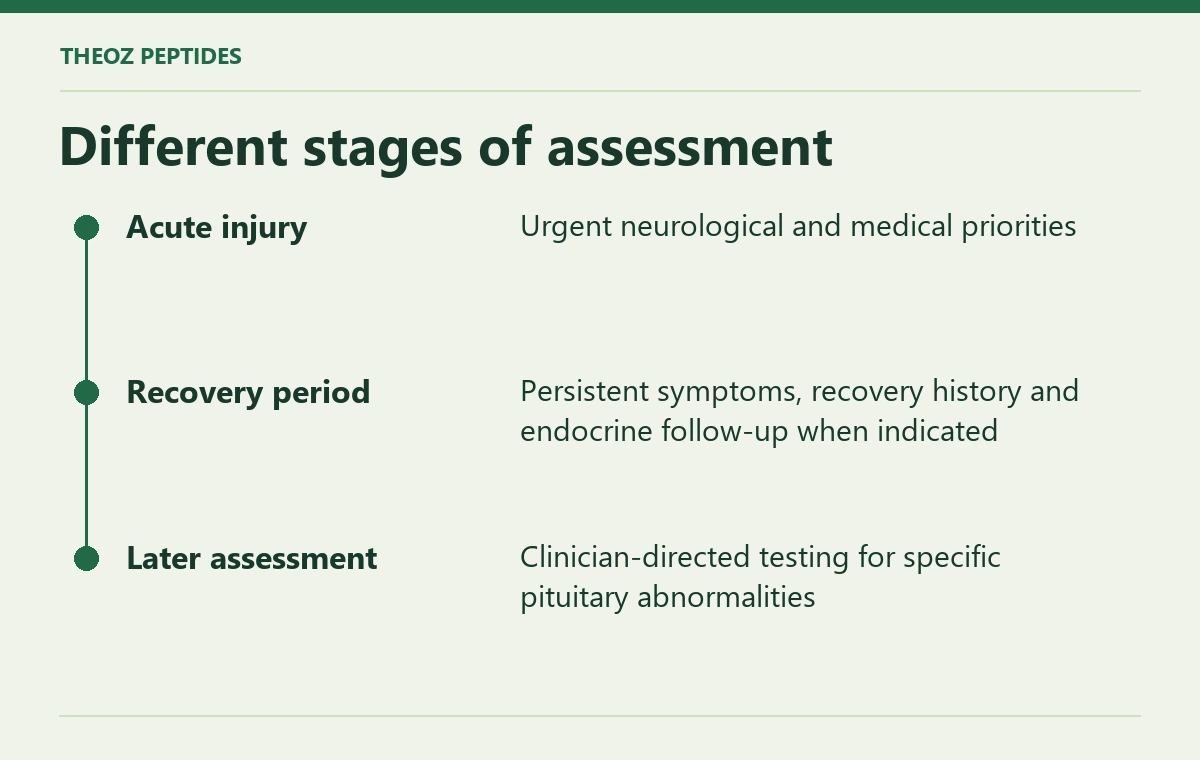
Why a head injury can lead to pituitary follow-up months later
A person recovering in Bali after a head injury may hear about the pituitary gland for the first time at a follow-up visit.
Read the article →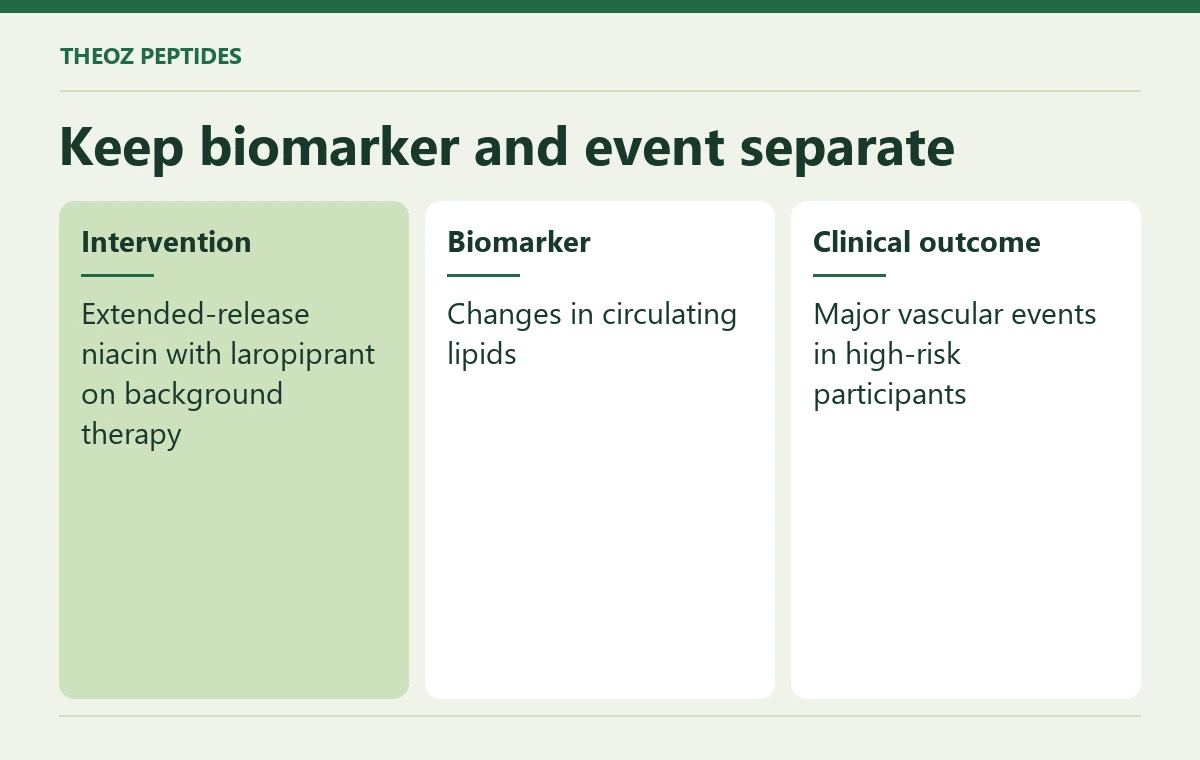
Niacin raised HDL. Did that prevent major vascular events in HPS2-THRIVE?
The B3 family is often mentioned in discussions of NAD+ and metabolism.
Read the article →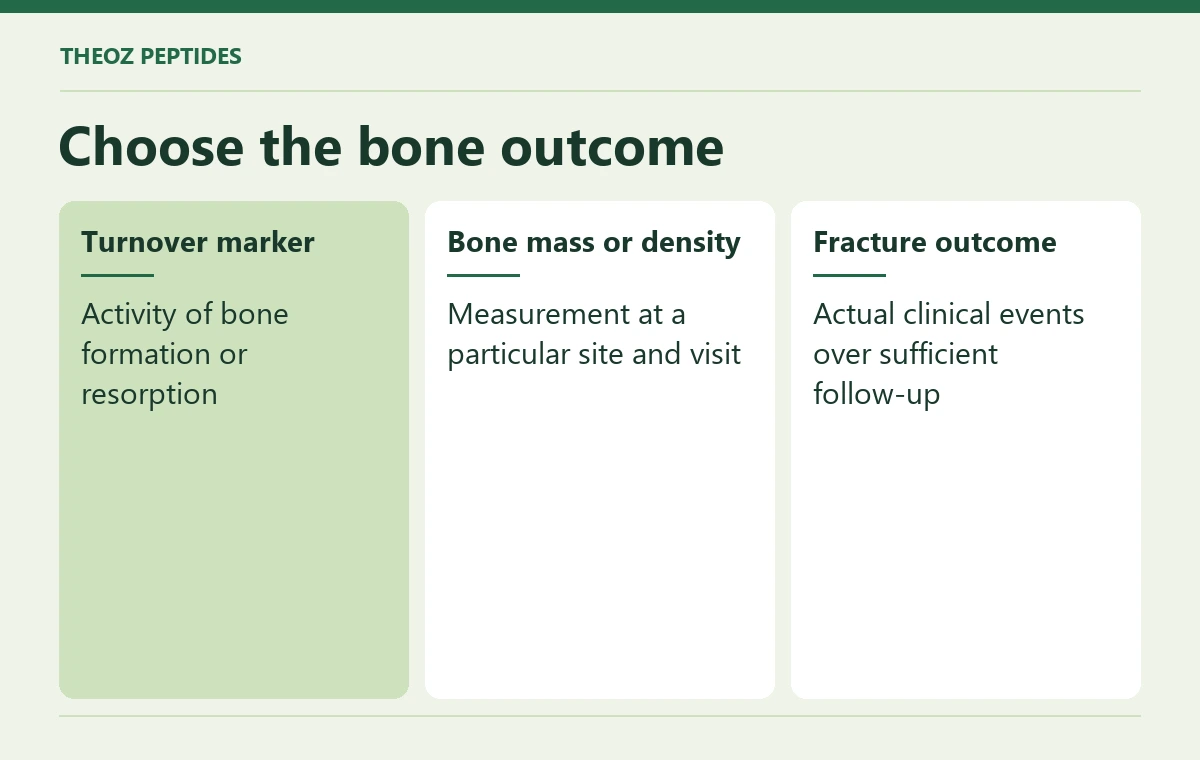
Bone turnover, density and fractures in growth hormone deficiency: three separate outcomes
Bone can be actively remodelling without an immediate rise in measured density.
Read the article →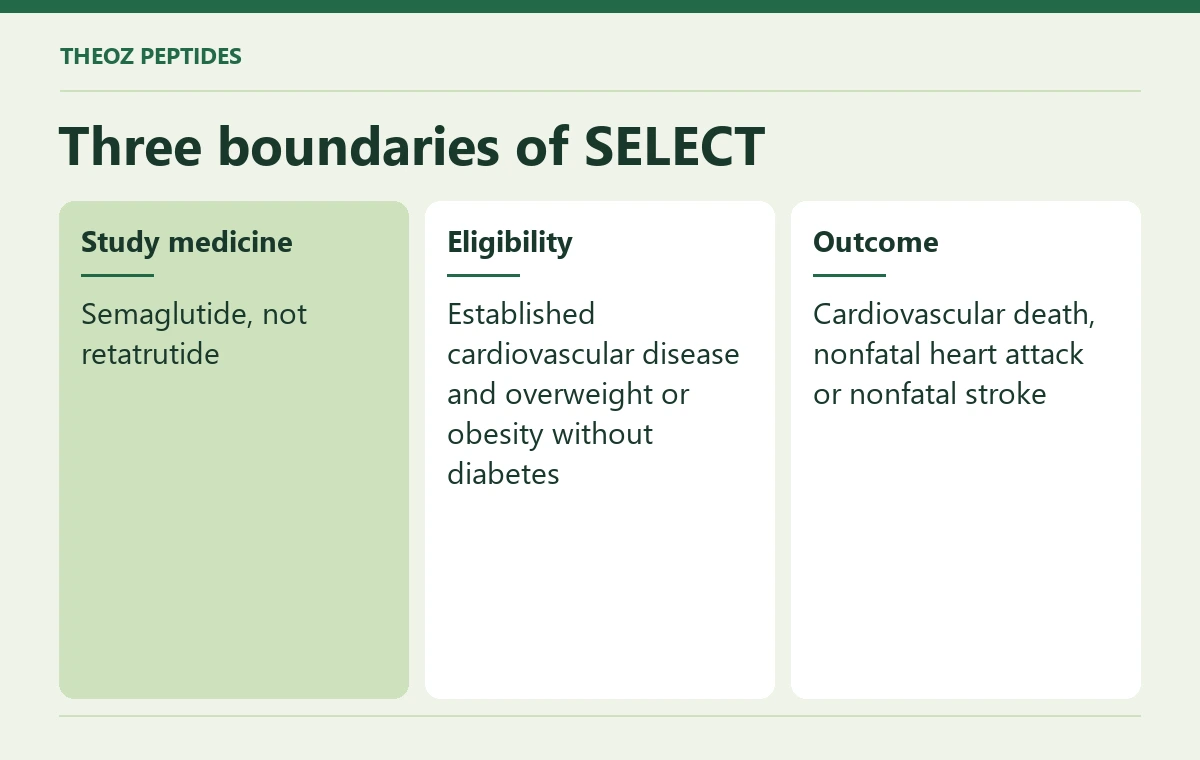
What does SELECT tell a retatrutide reader about secondary prevention?
A headline about heart protection in people with obesity can omit the fact that participants already had cardiovascular disease.
Read the article →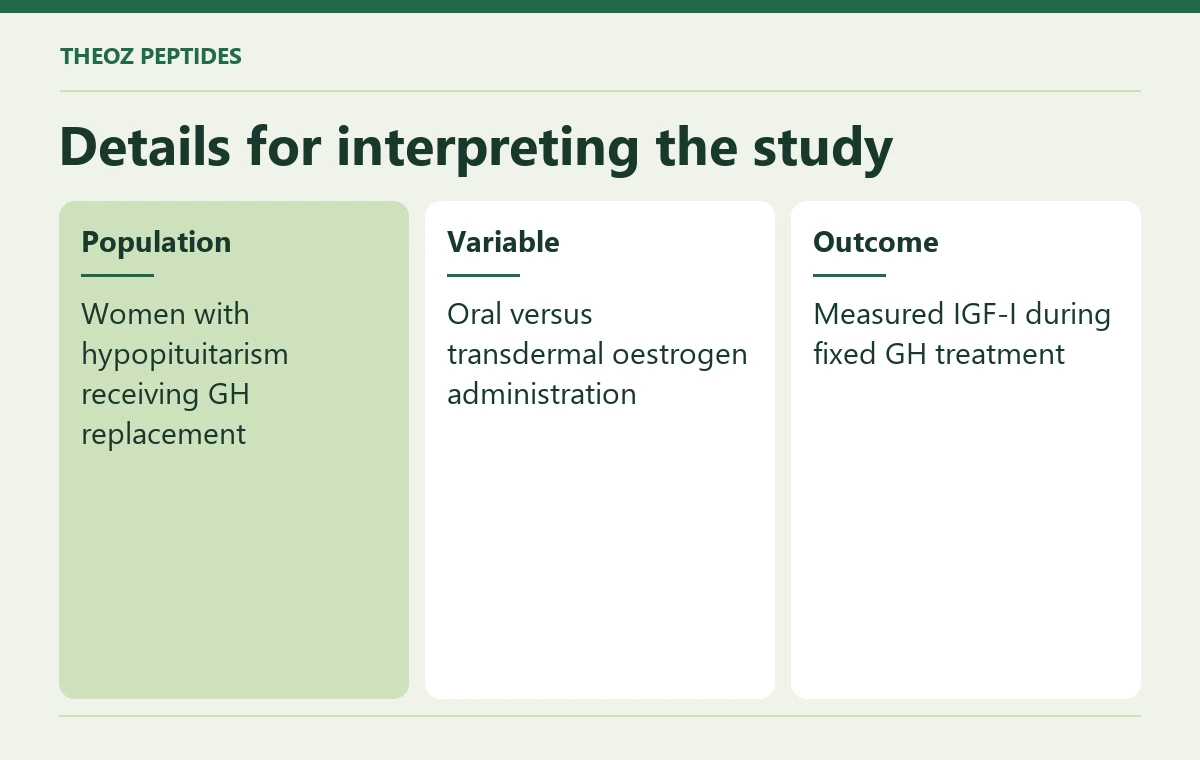
Oral or transdermal oestrogen: why the route mattered in a growth hormone study
An IGF-I result can change even when the recorded growth hormone regimen stays the same.
Read the article →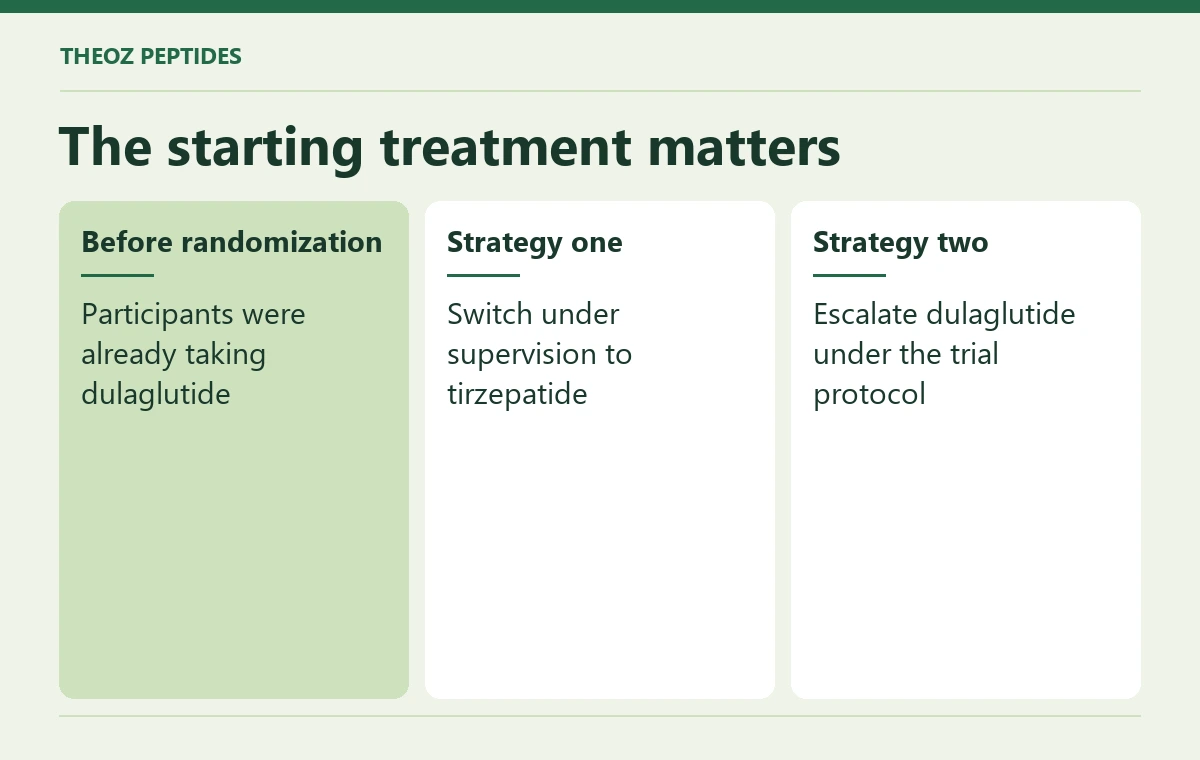
Switch or escalate? The two strategies compared in SURPASS-SWITCH
Most drug comparisons begin with the name of the new medicine.
Read the article →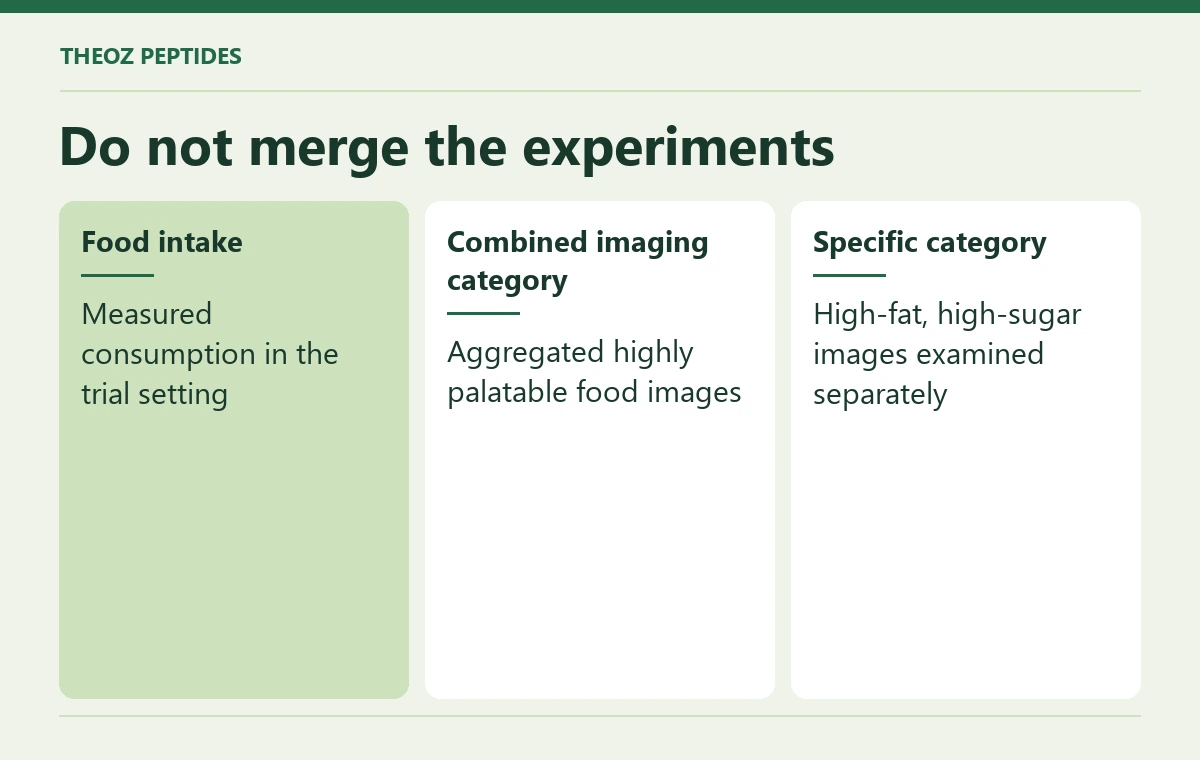
Did tirzepatide change the brain's response to every food photograph?
A headline about “rewiring food cravings” can compress an eating test, a questionnaire and a brain scan into a single claim.
Read the article →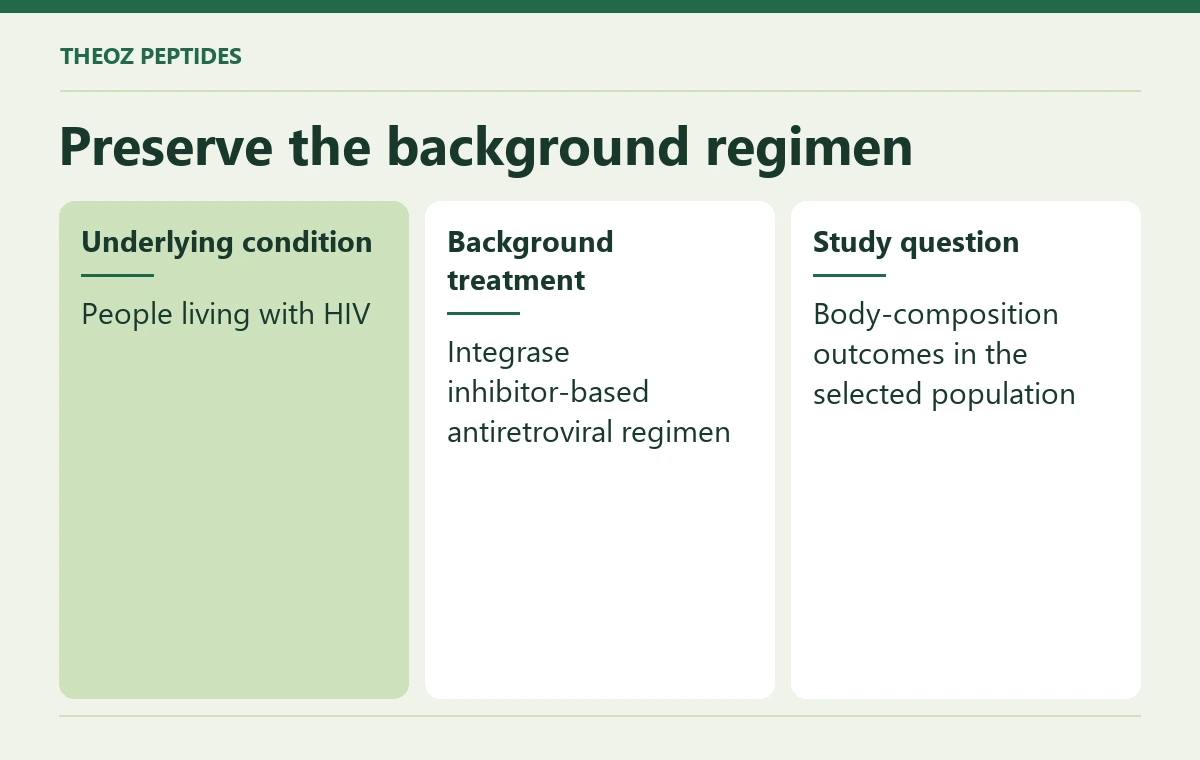
Tesamorelin and integrase inhibitors: why background HIV treatment matters
A question about tesamorelin can change when the person asking is receiving antiretroviral treatment.
Read the article →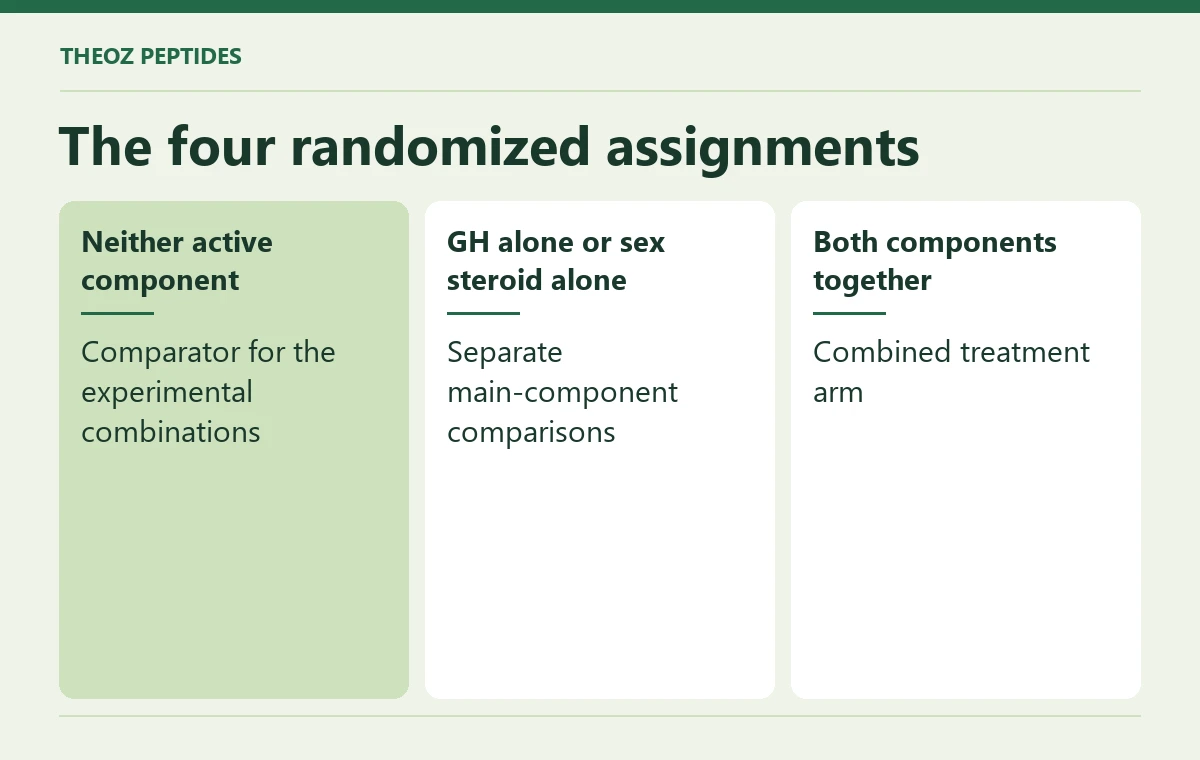
Four arms, two hormones: reading a growth hormone factorial trial
When a trial gives some participants two hormones and others only one, which one caused an observed change? A four-arm study in healthy older adults makes…
Read the article →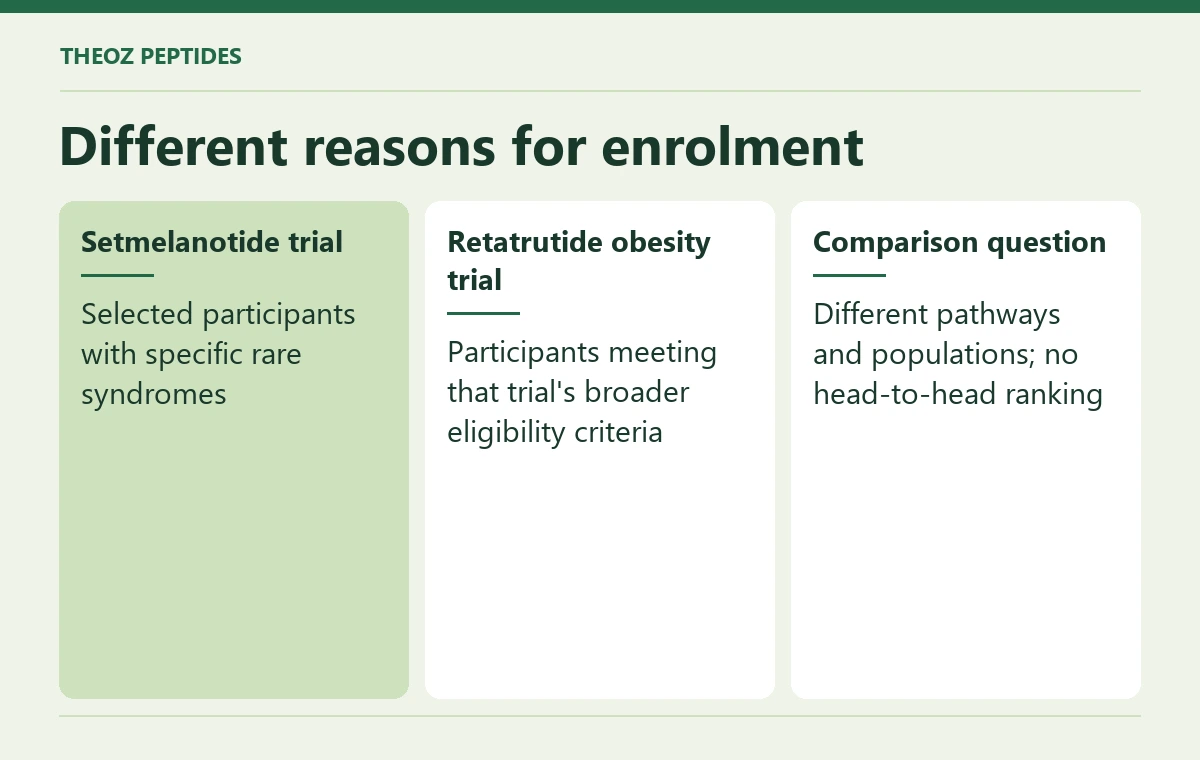
Retatrutide or setmelanotide in a headline? First identify the obesity being studied
Two medicines can be studied for weight-related outcomes in populations that barely resemble one another.
Read the article →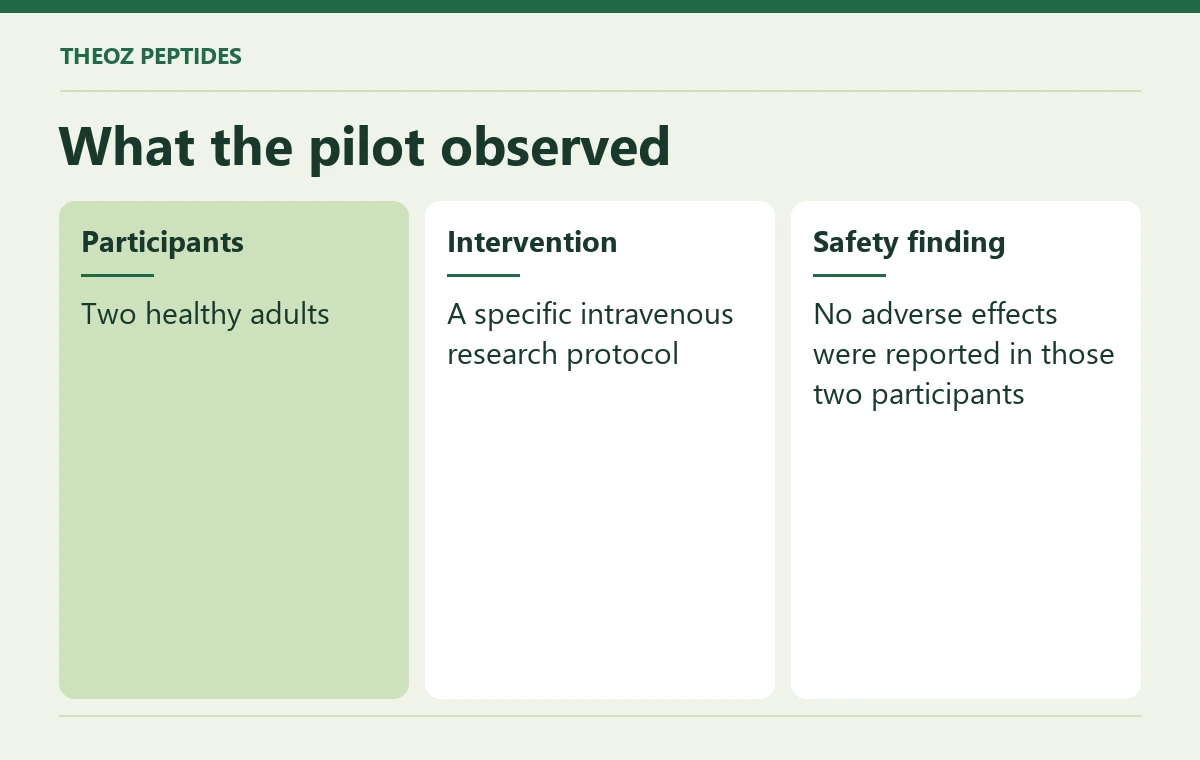
Can a two-person BPC-157 pilot establish the risk of an uncommon side effect?
A report can truthfully say no adverse effects were recorded and still provide very little information about uncommon harms.
Read the article →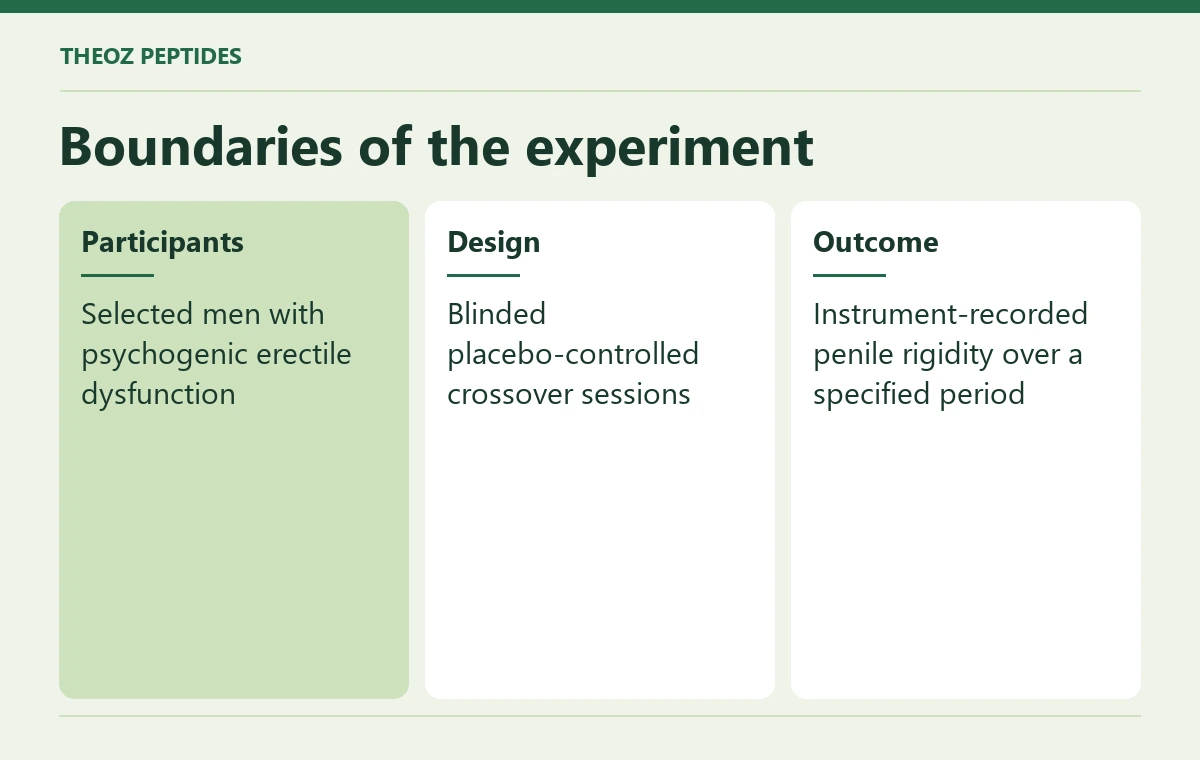
What an early Melanotan II study measured during a monitored session
An early Melanotan II study is sometimes mentioned as though any measured physiological reaction establishes a treatment for erectile dysfunction.
Read the article →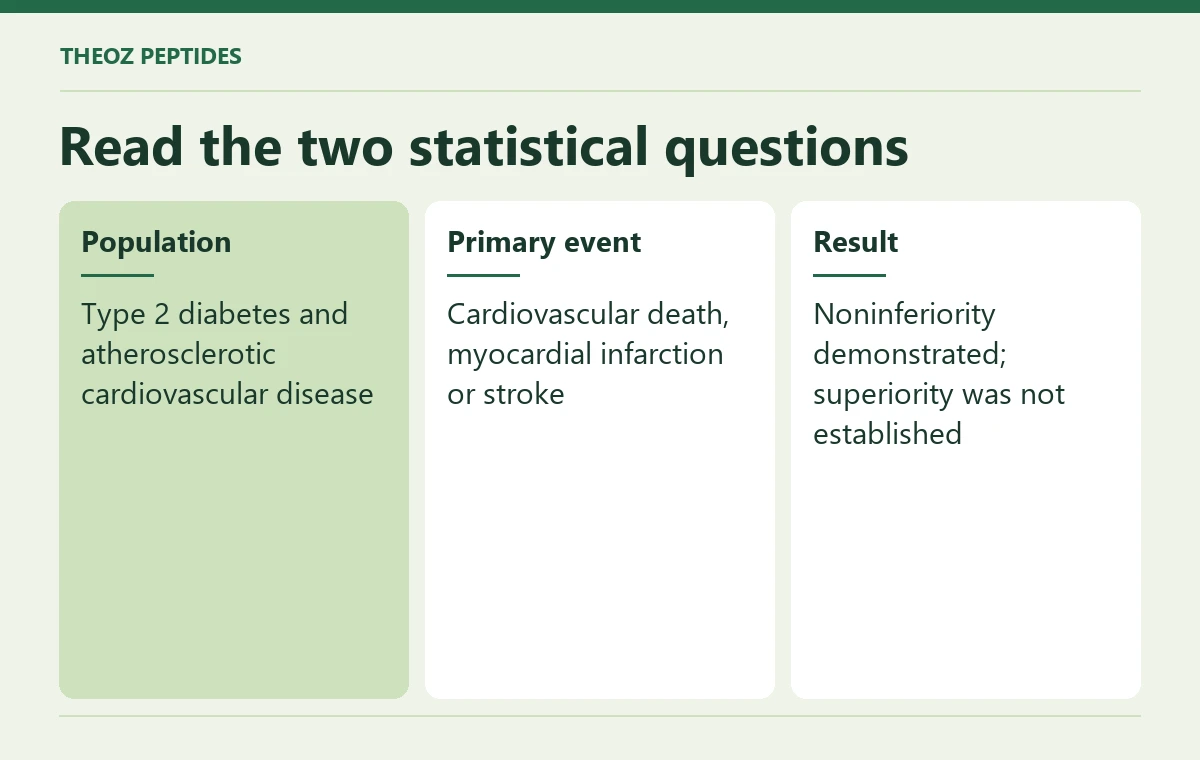
Did tirzepatide beat dulaglutide in the cardiovascular outcomes trial?
A clinical trial can succeed without demonstrating that one treatment beats another.
Read the article →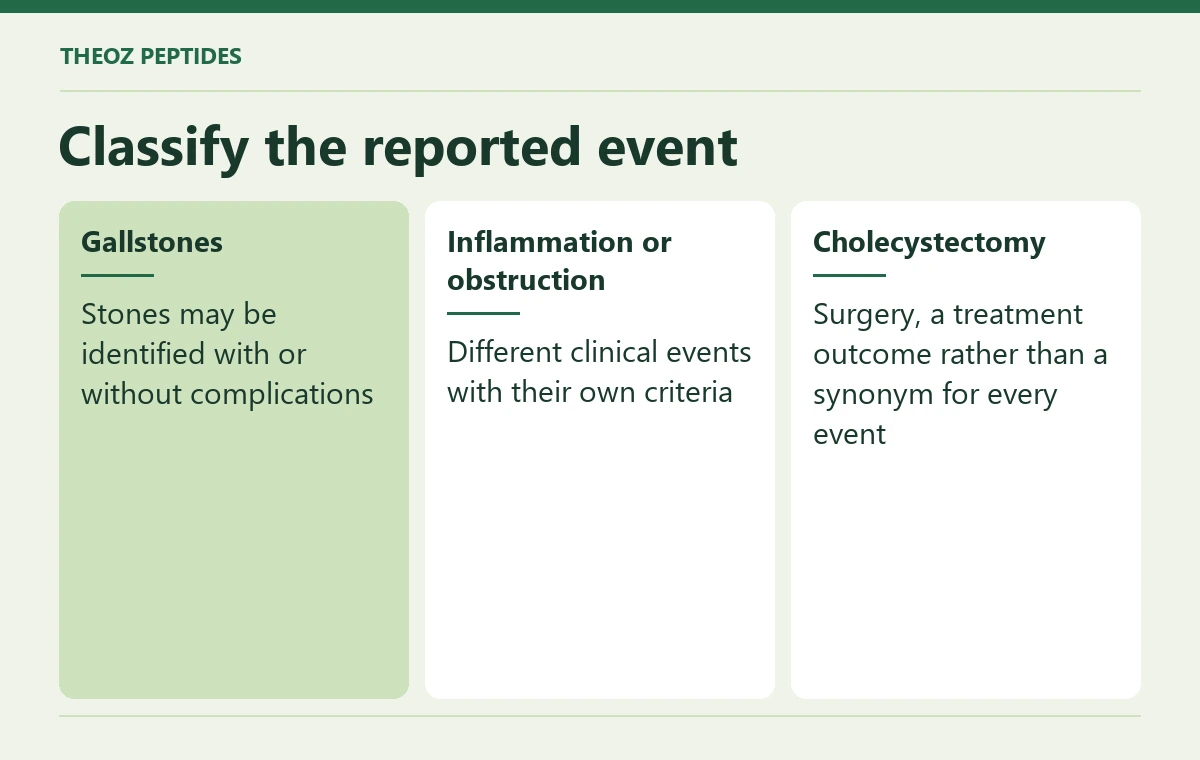
Why gallstones, biliary obstruction and gallbladder surgery are different research outcomes
A safety headline can say “gallbladder problems increased” without saying whether anyone had stones, inflammation, obstruction or surgery.
Read the article →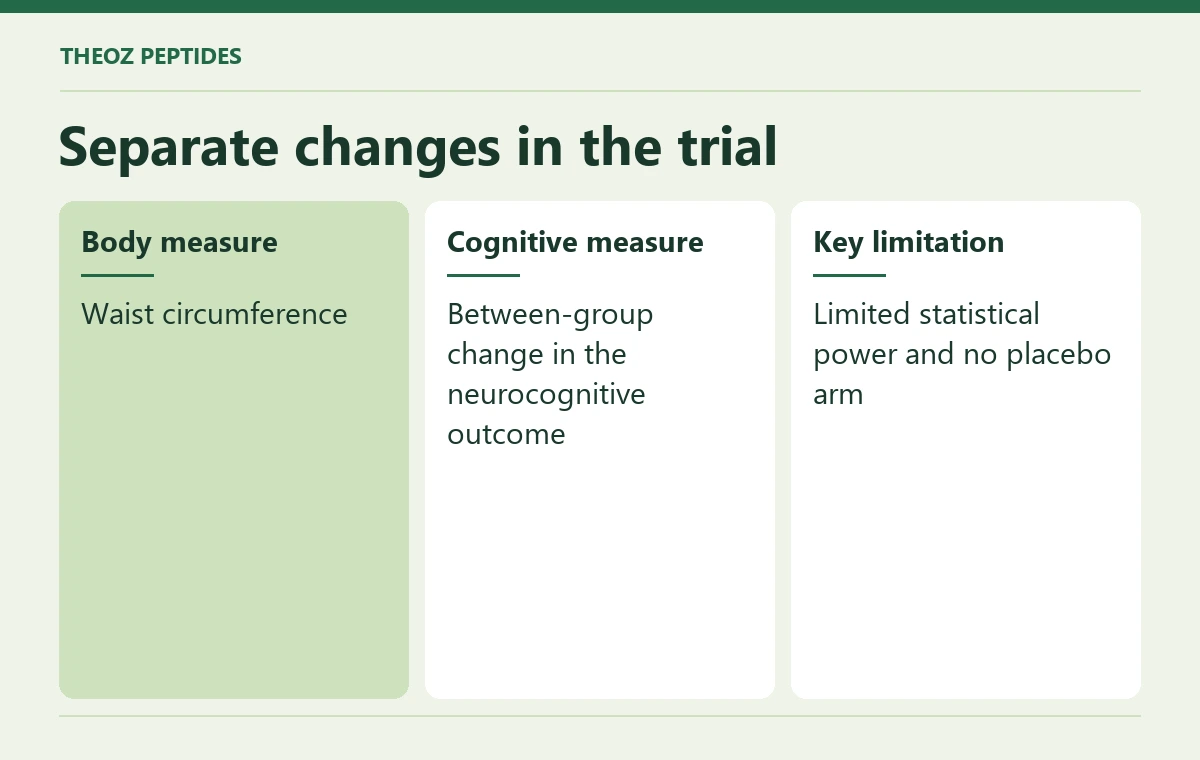
A smaller waist and a better cognitive score: did both change in the tesamorelin trial?
A study can report a clearer change in waist circumference than in a cognitive test.
Read the article →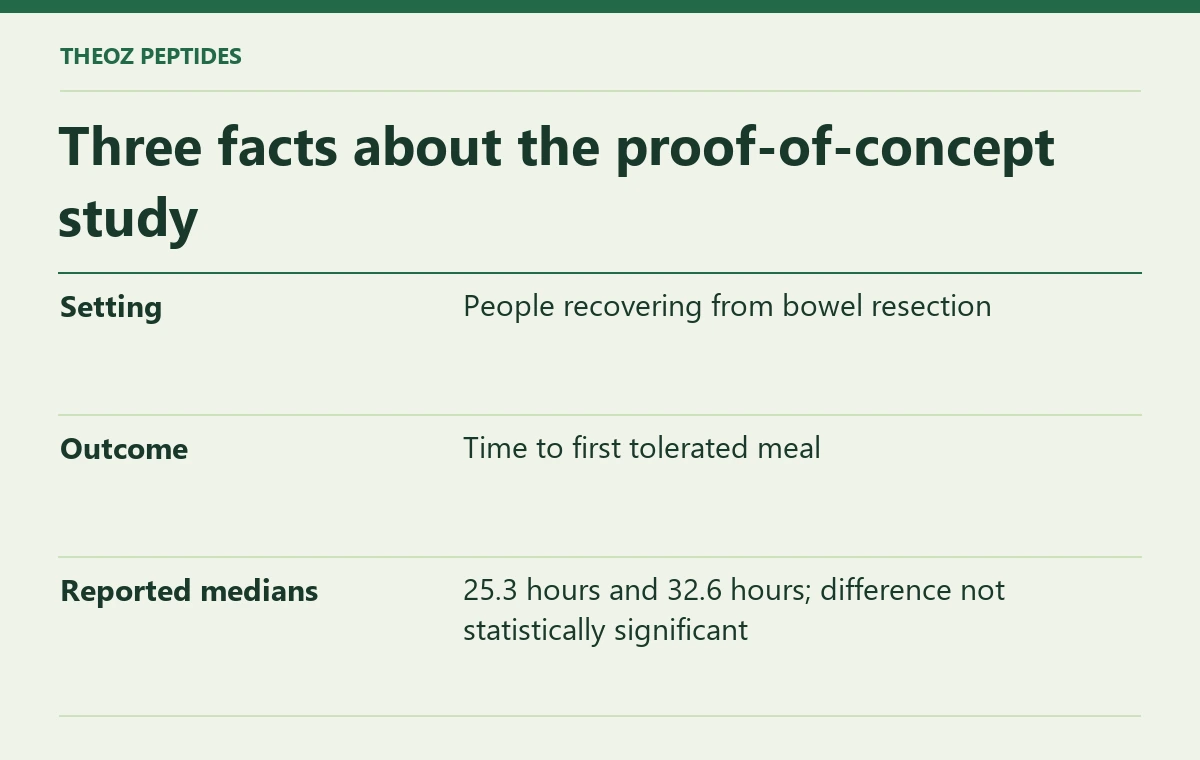
A shorter median was recorded. Did ipamorelin speed recovery after bowel surgery?
Two numbers in a table can differ even when a trial has not demonstrated a treatment effect.
Read the article →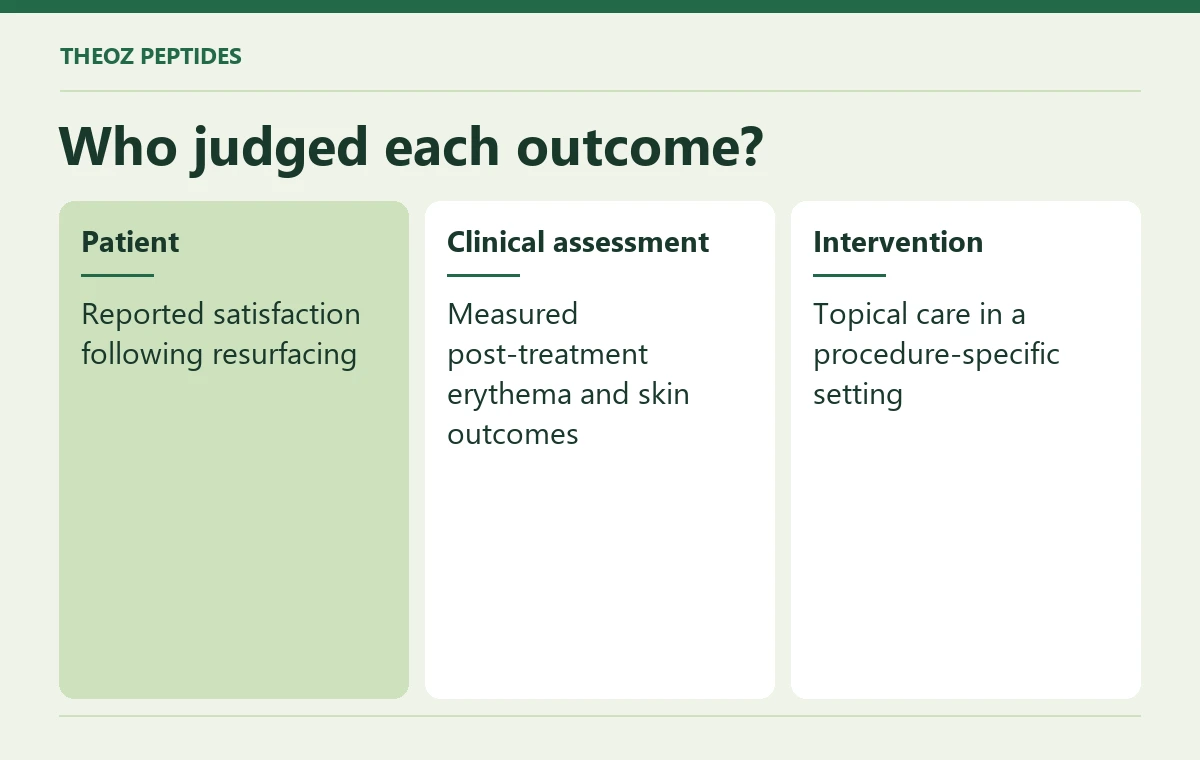
Why patients and assessors gave different answers in a copper-peptide skin study
People can feel more satisfied with their skin recovery while measured redness or wrinkles show no significant difference.
Read the article →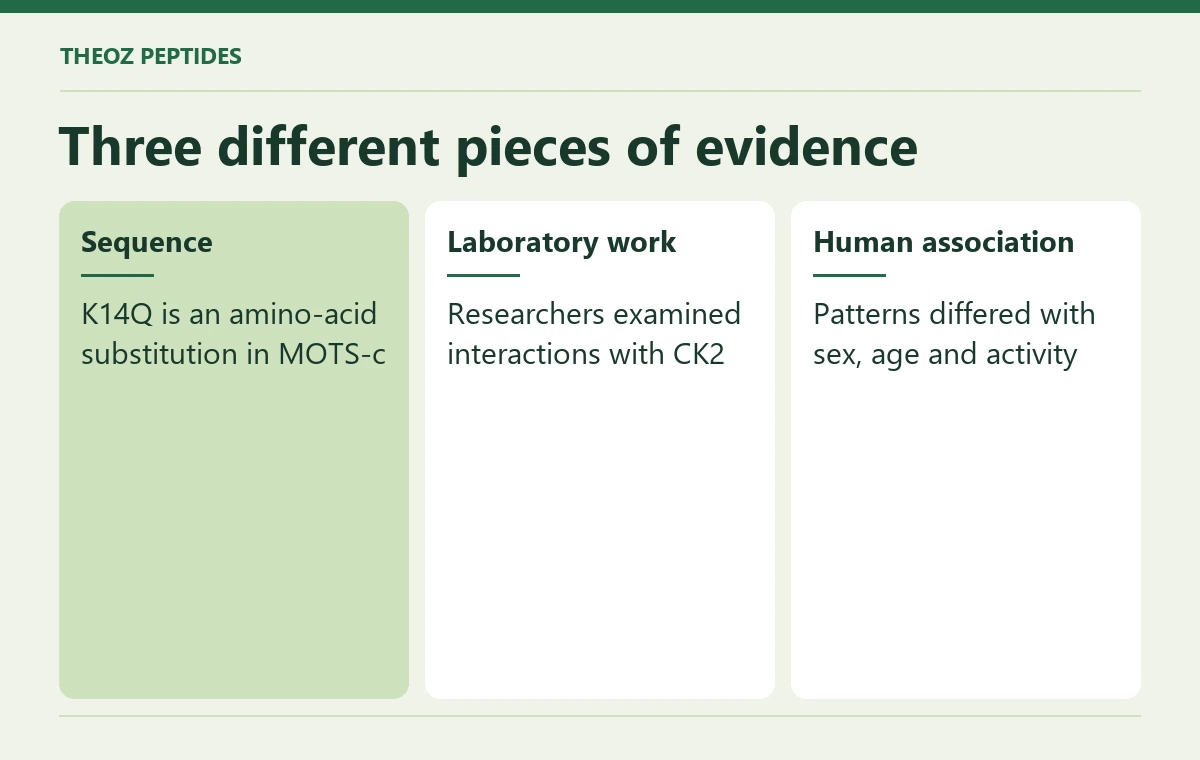
MOTS-c K14Q: what a genetic association does and does not say about a pen
A genetic variant can shed light on a protein's function without predicting the effect of buying a product with that protein's name.
Read the article →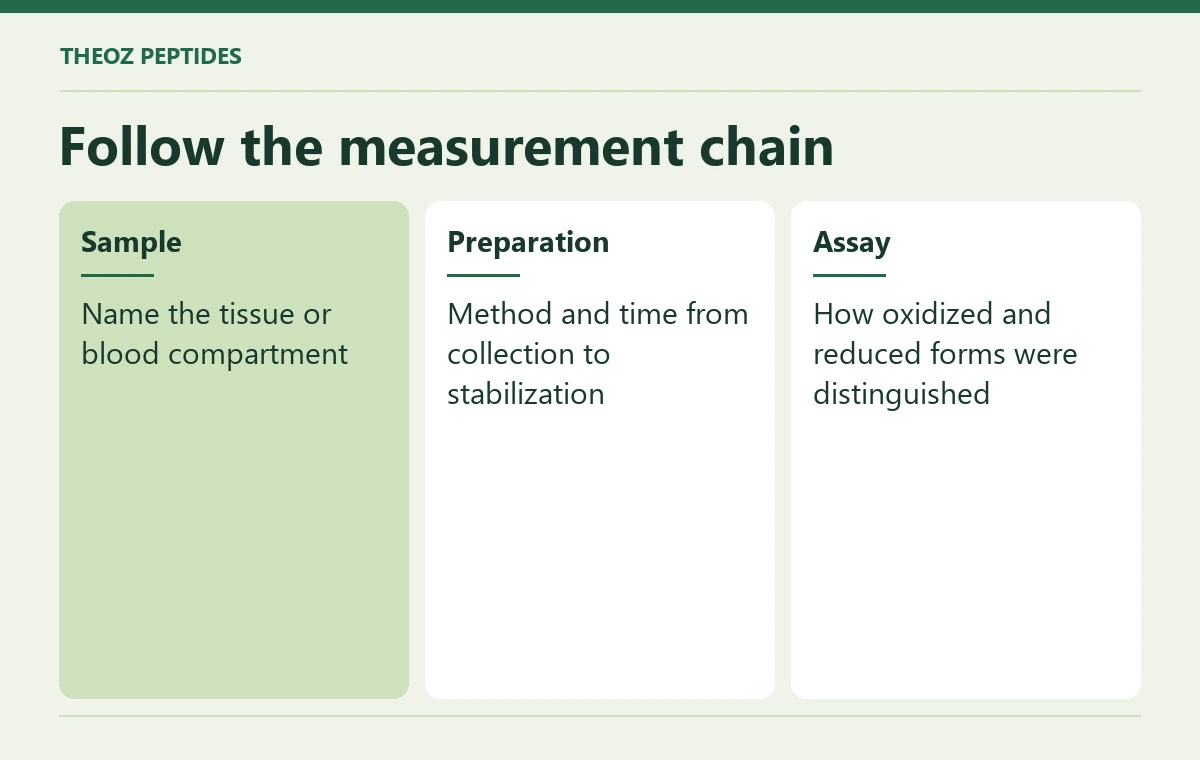
When the laboratory procedure changes the NAD+/NADH ratio
The ratio between oxidized NAD+ and reduced NADH can change during sample handling.
Read the article →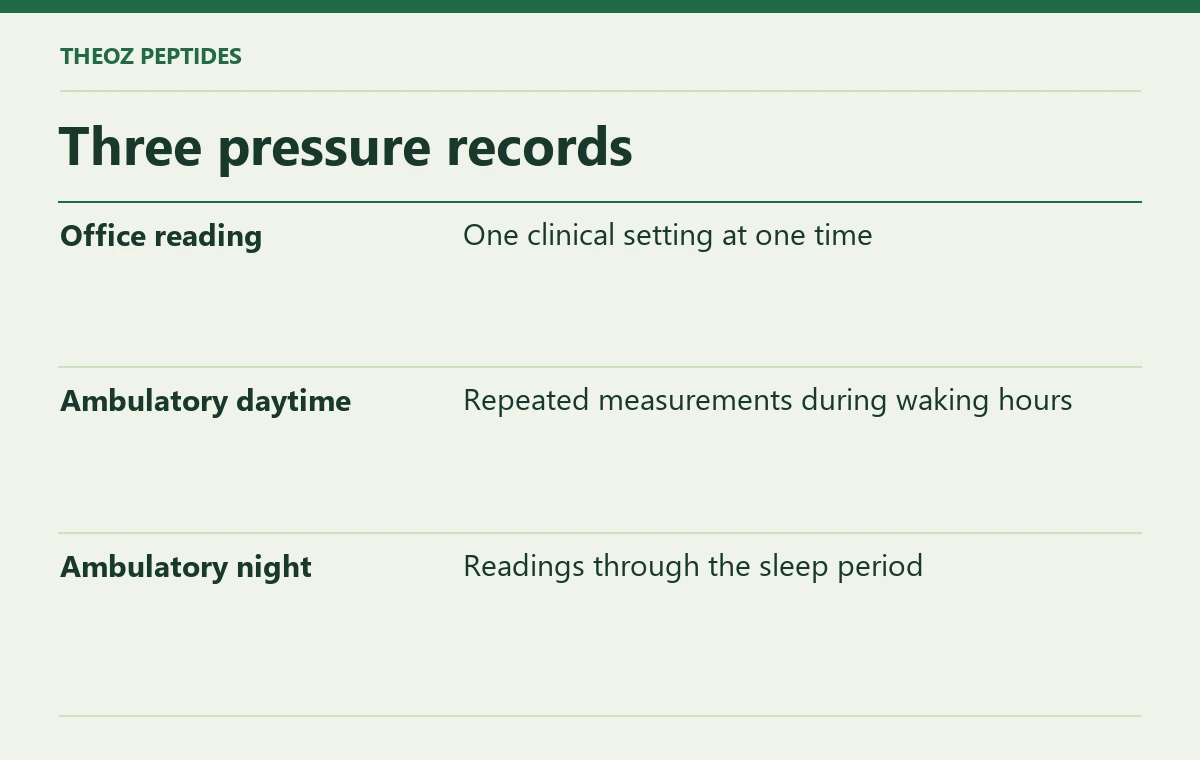
What a 24-hour blood-pressure monitor adds to a tirzepatide trial
A blood-pressure reading in a Bali clinic and an average covering a whole day can both be accurate and still differ.
Read the article →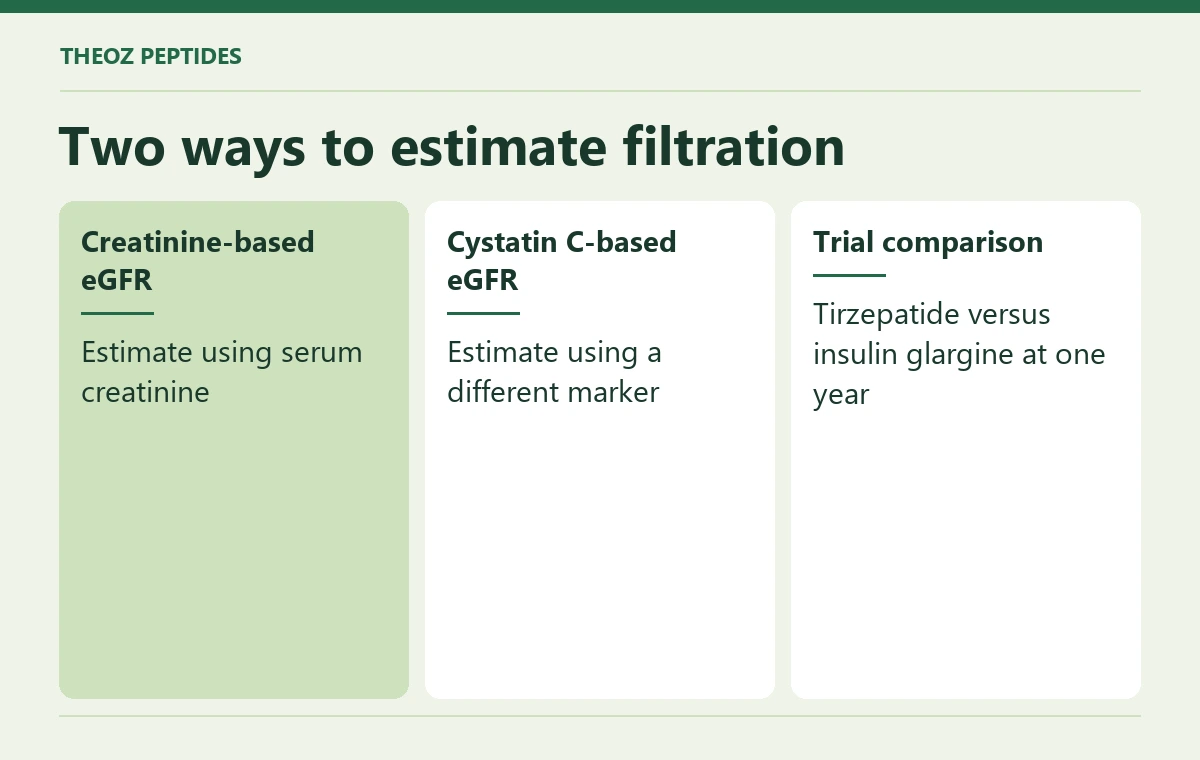
Why SURPASS-4 estimated kidney filtration twice
Creatinine-based estimates of kidney function can be affected by muscle mass.
Read the article →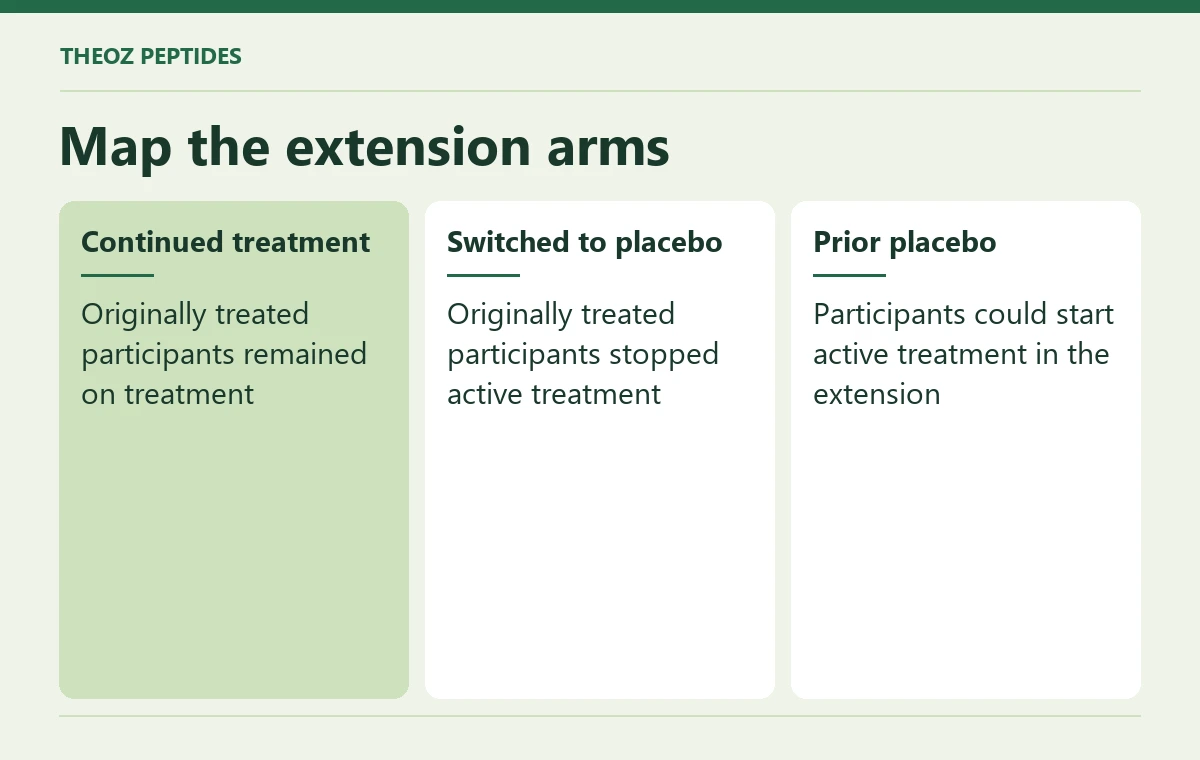
Did visceral-fat changes last after tesamorelin was stopped in the extension trial?
A follow-up study can give a group the same label as before or switch its treatment halfway through.
Read the article →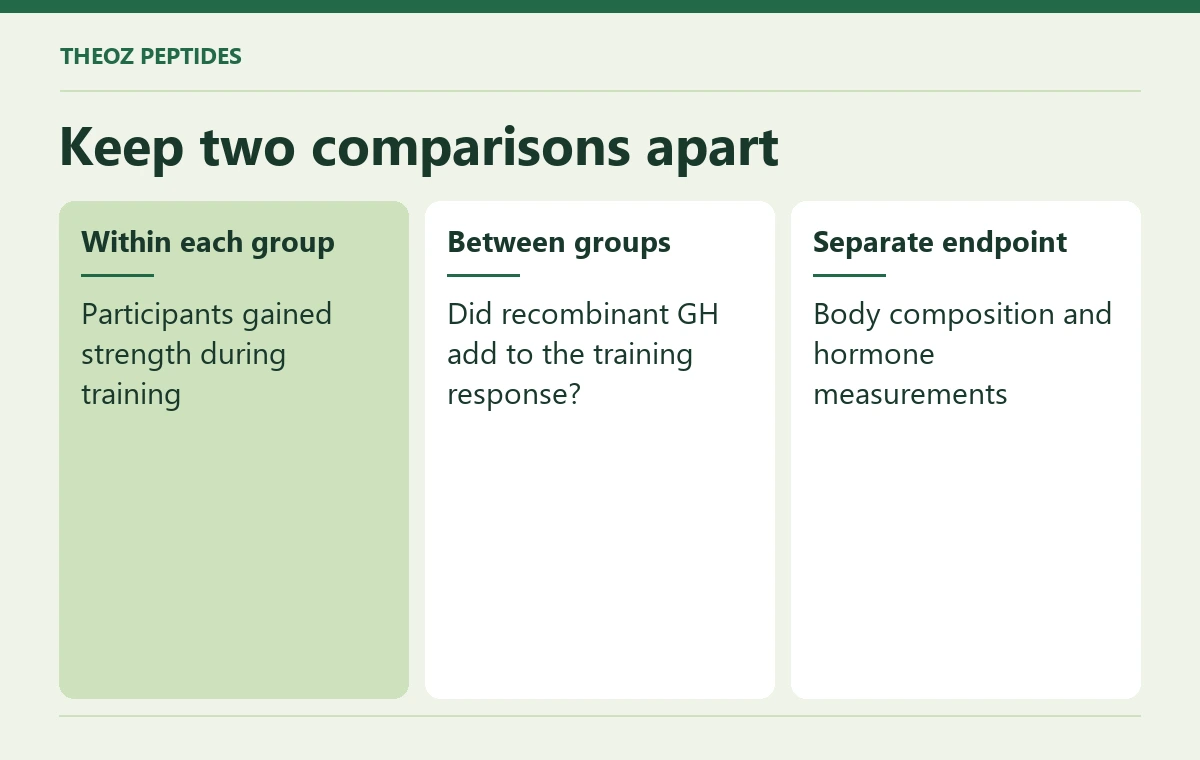
Did growth hormone add to strength training in the older-men trial?
Both groups in a resistance-training experiment can become stronger.
Read the article →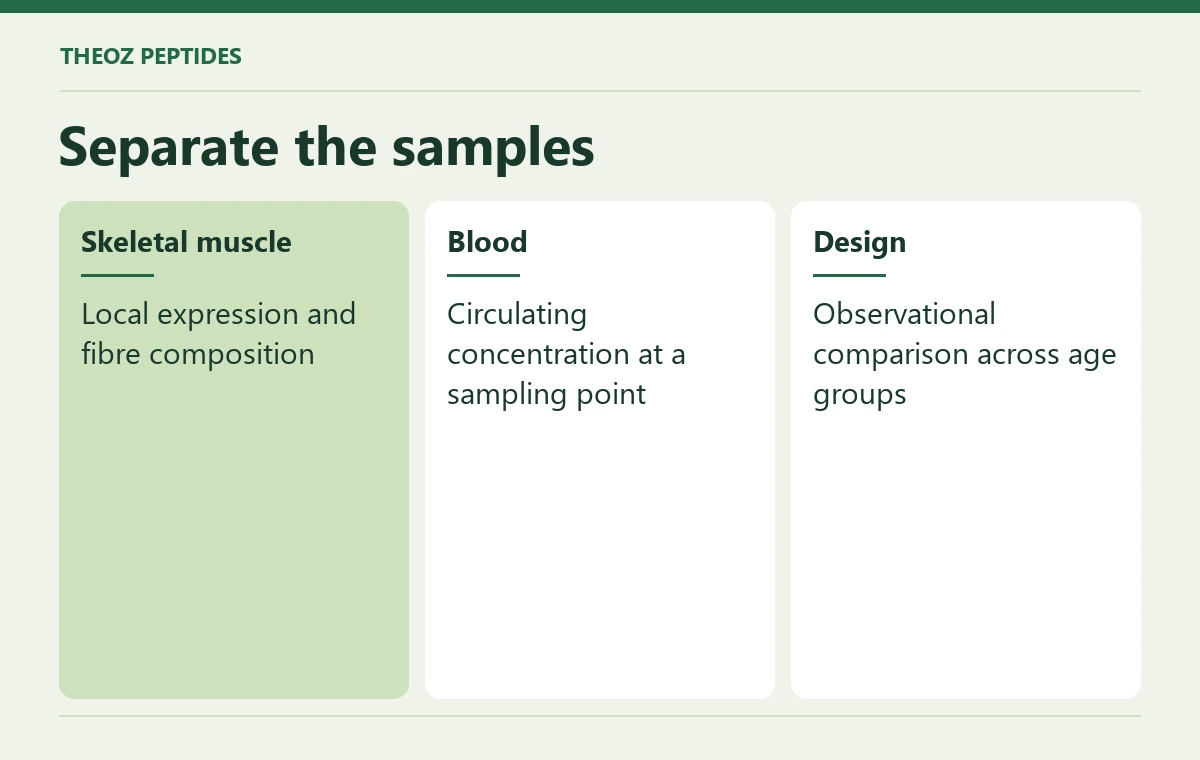
MOTS-c and age: why muscle tissue and blood need separate headlines
A Bali fitness post can say a peptide “falls with age” without naming the tissue.
Read the article →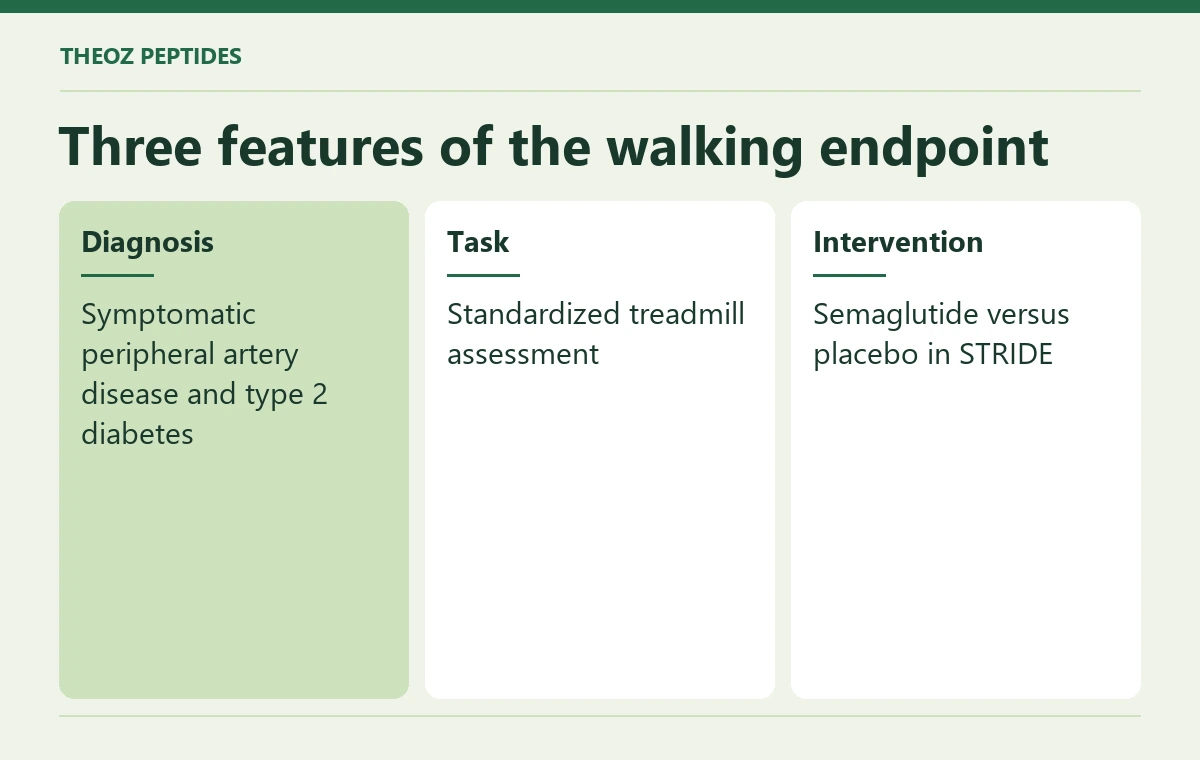
A treadmill is not a step counter: understanding the STRIDE walking endpoint
“People walked further” can refer to a treadmill result, a six-minute test or a week's step count.
Read the article →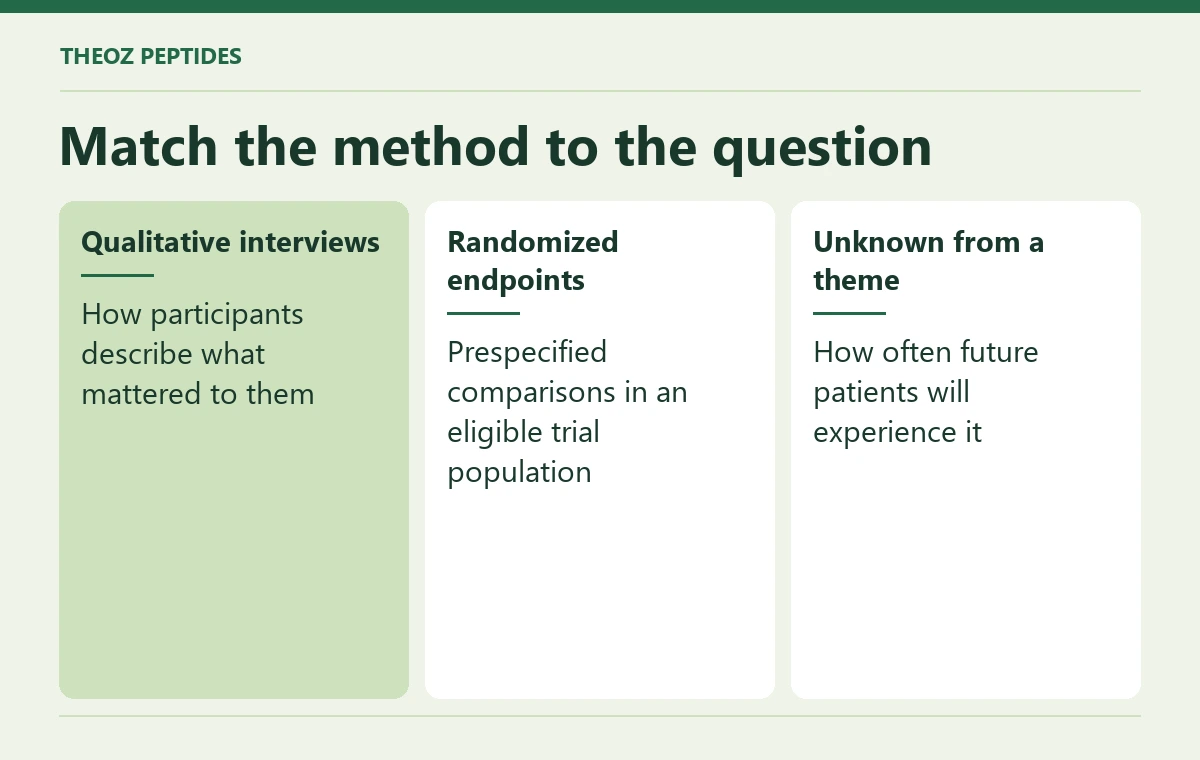
What interviews with retatrutide trial participants can reveal that a scale cannot
Weight is straightforward to record in kilograms.
Read the article →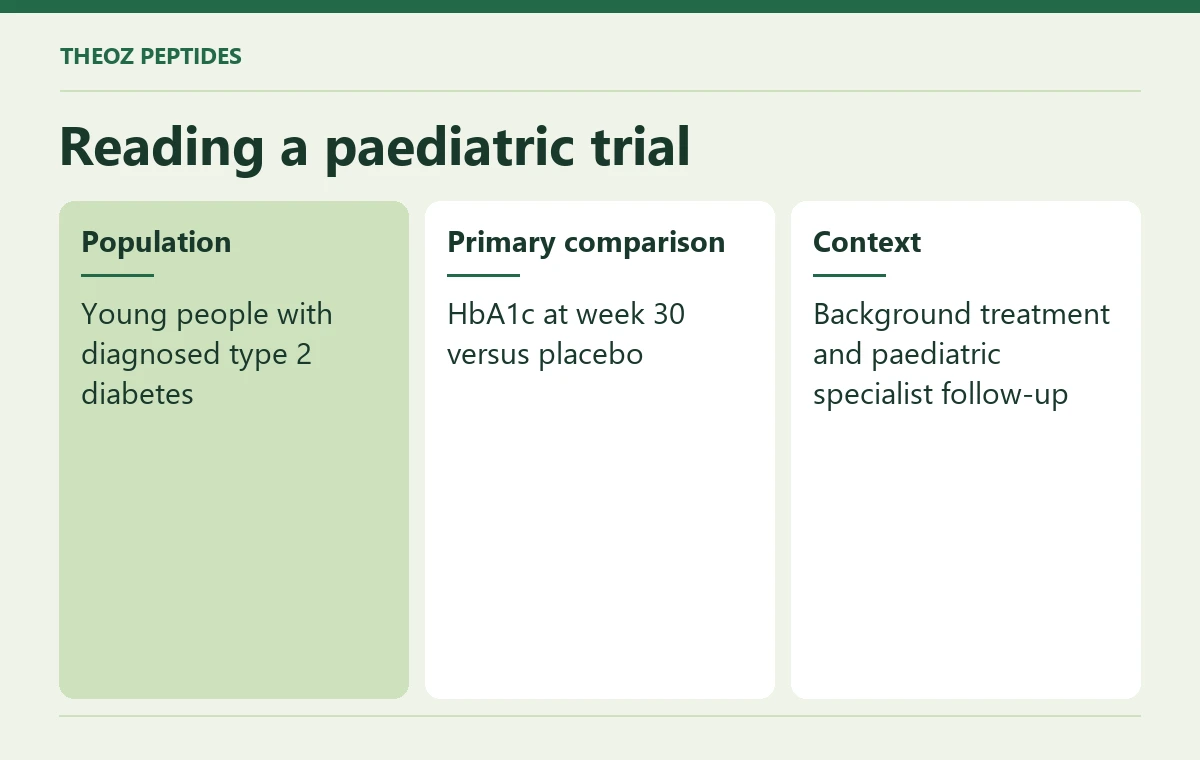
What did SURPASS-PEDS measure in young people with type 2 diabetes?
A paediatric diabetes study can appear in a news story with its population almost entirely removed.
Read the article →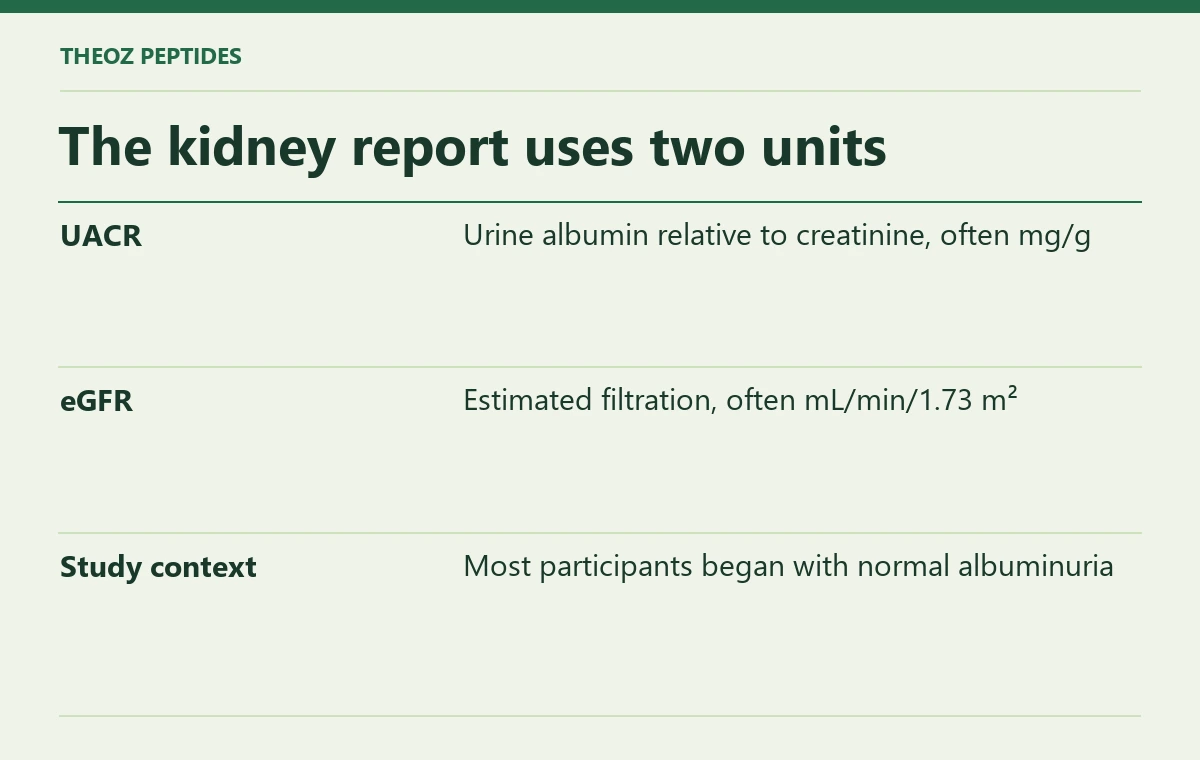
Retatrutide and urine albumin: why the starting value matters
An impressive percentage can hide a small absolute change.
Read the article →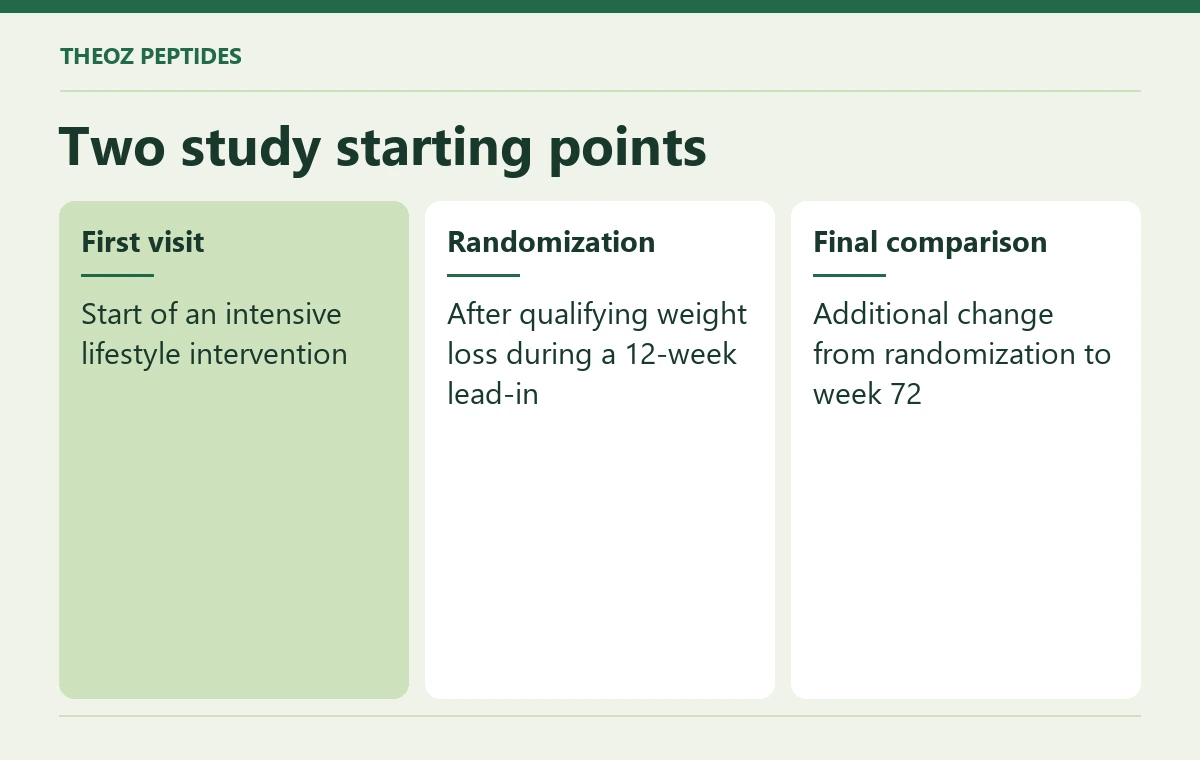
When did weight loss start counting in SURMOUNT-3?
The first day a volunteer joins a trial can come months before the first day its main comparison starts.
Read the article →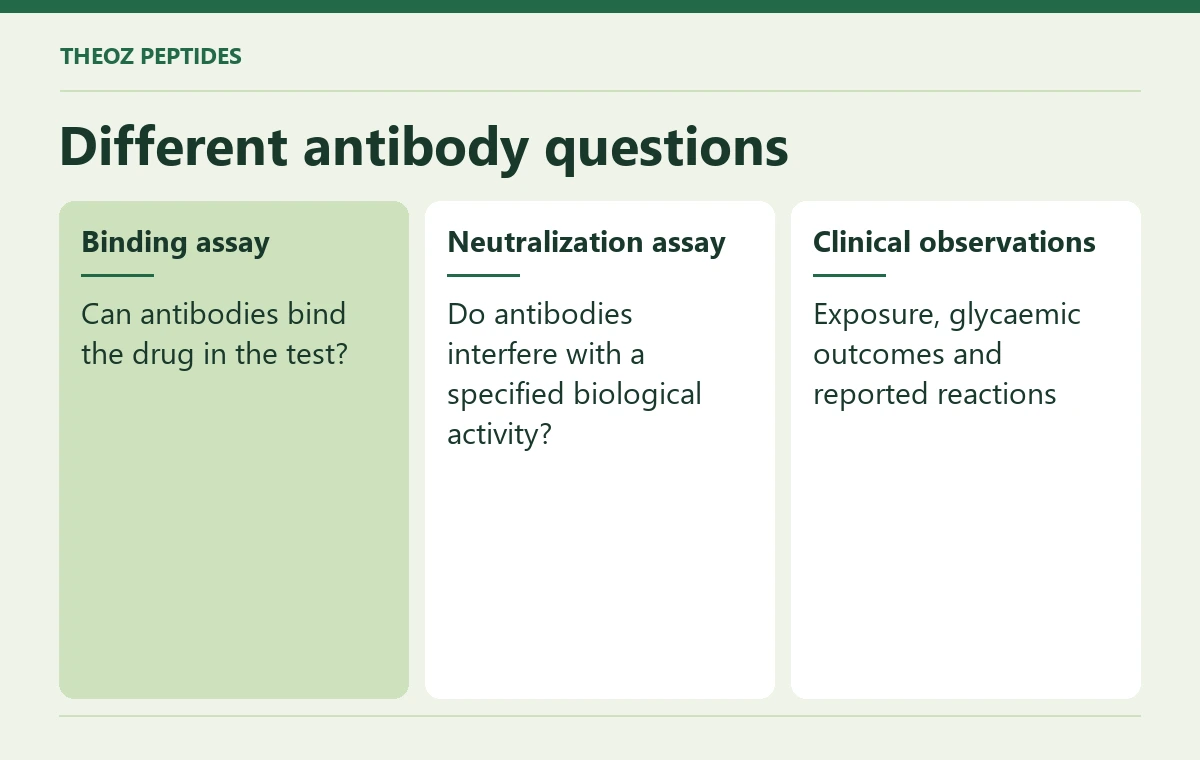
Tirzepatide antibodies: why a positive binding test does not equal lost effect
A striking percentage in a drug study is easy to misread when the laboratory test is unfamiliar.
Read the article →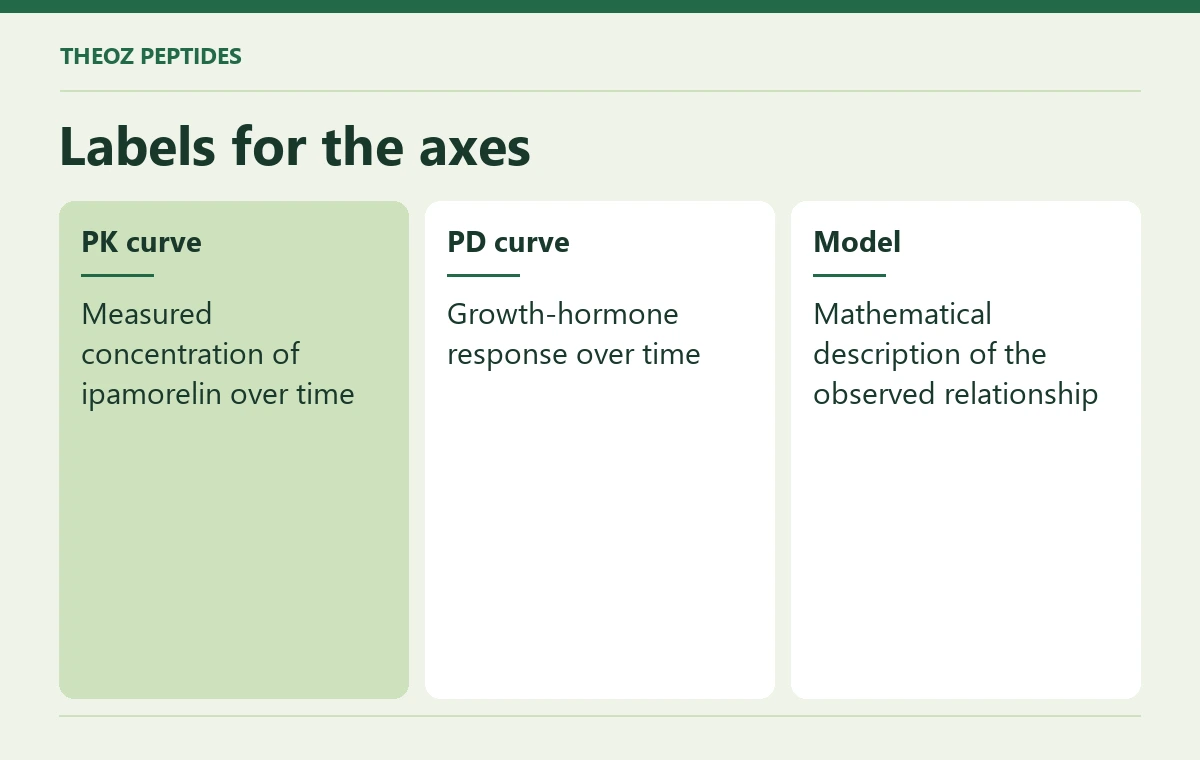
One dose, two curves: ipamorelin concentration and the GH response
A chart may show the concentration of ipamorelin falling while a second curve for growth hormone is still changing.
Read the article →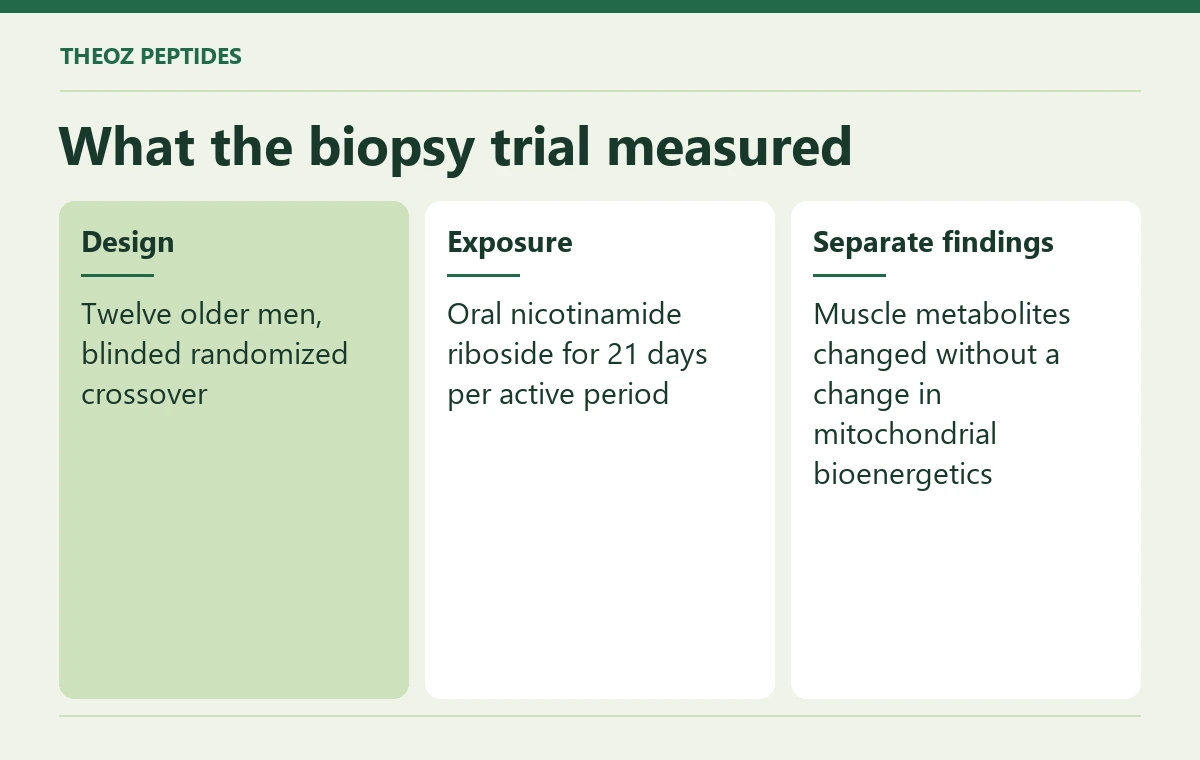
More NAD-related metabolites in muscle: did mitochondrial function change too?
A biopsy can show that an intervention reached a biochemical pathway while a functional test tells a different story.
Read the article →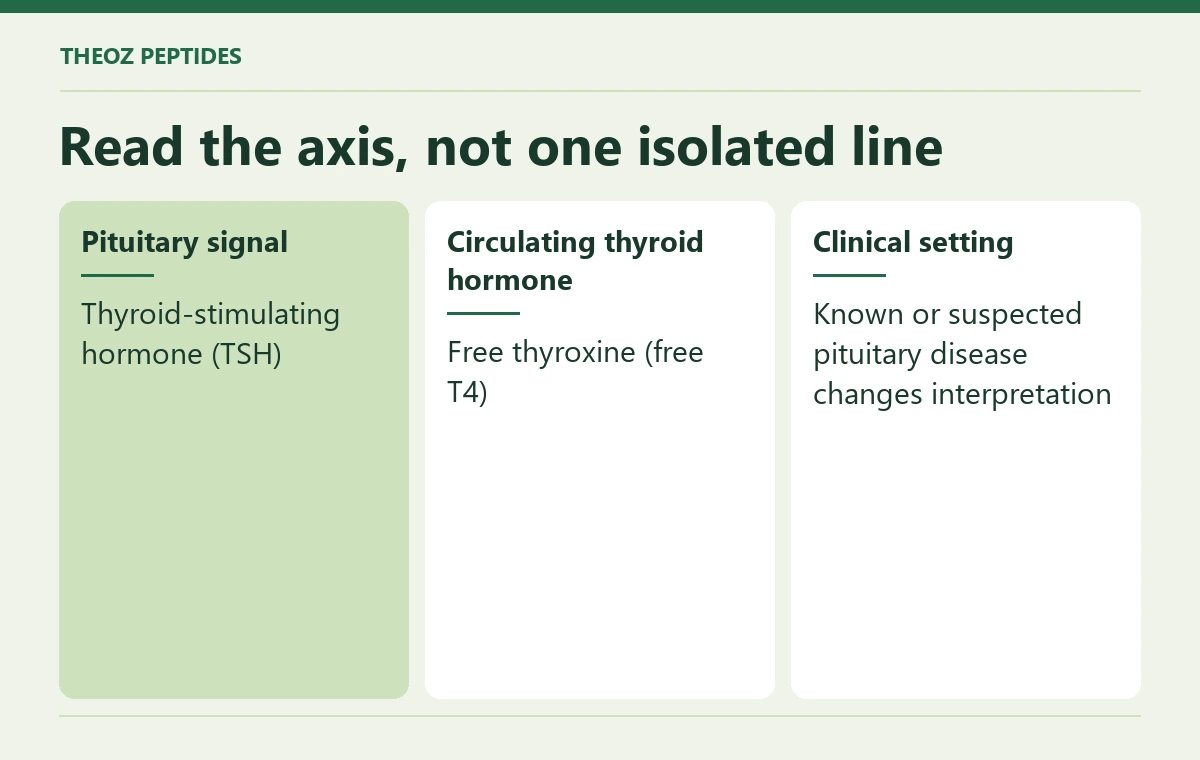
Why an endocrinologist may read free T4 alongside TSH in pituitary disease
Most people encounter TSH as a first-line thyroid test.
Read the article →
Retatrutide and VK2735: put the study weeks back on the chart
A 13-week curve and a 48-week curve answer different questions. Learn to reconstruct an obesity-trial headline before comparing the numbers from Bali.
Read the article →
Pigment or texture? How to read two very different skin studies
Compare a pigmentation outcome with a texture or healing outcome and identify which skin question a GHK-Cu or tranexamic acid study can actually answer.
Read the article →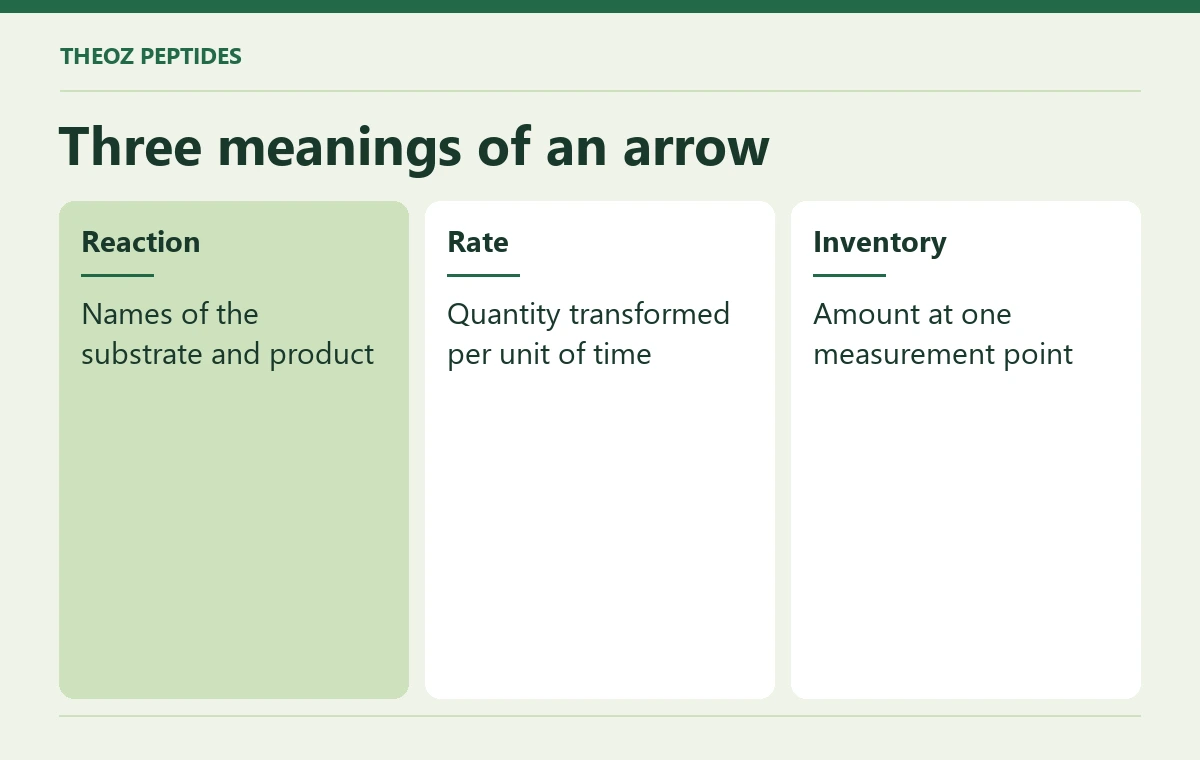
Reading the arrow from NAD+ to NADP+ without inventing a conversion rate
Decode a metabolic diagram with an NAD-kinase example, separating a chemical reaction, a measured rate and the amount on a Bali pen listing.
Read the article →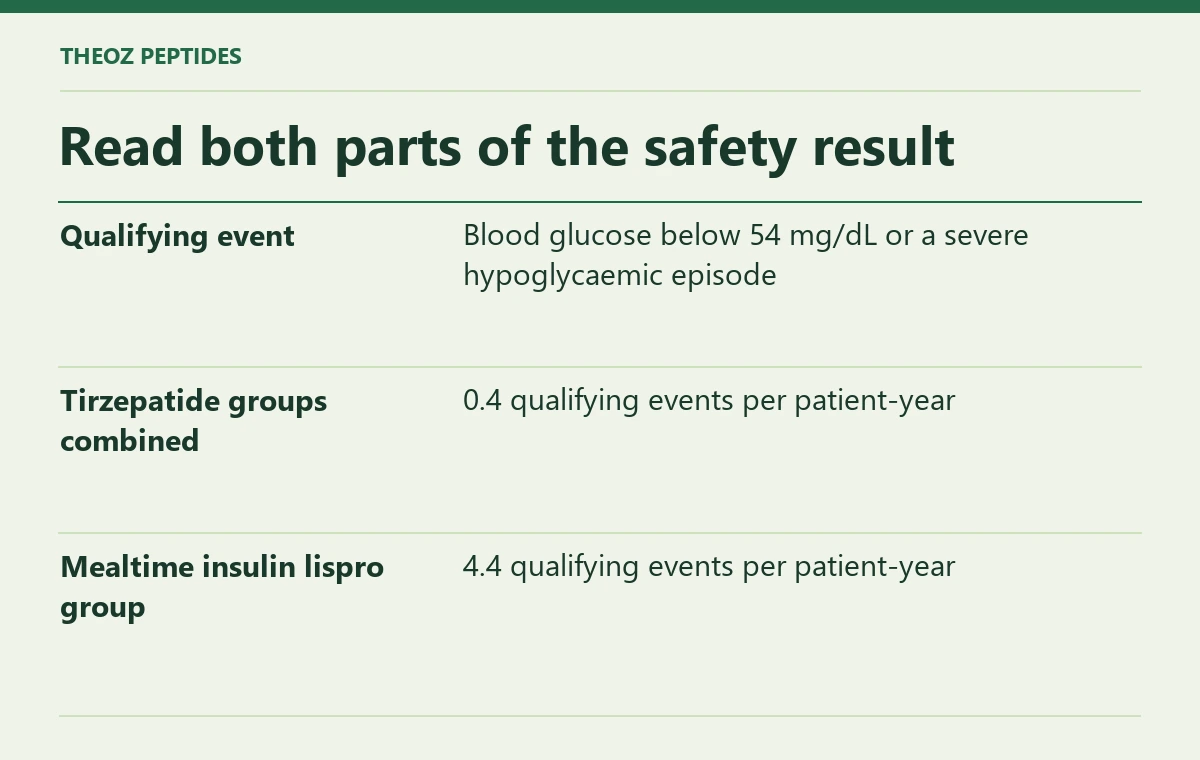
Tirzepatide and low blood sugar: what does “per patient-year” mean?
Read the low-blood-sugar results from SURPASS-6, including who was taking basal insulin, what counted as an event and how repeat episodes affected the rate.
Read the article →
What counted as a heart-failure event in the SUMMIT tirzepatide trial?
Read the two primary outcomes in SUMMIT and separate worsening heart failure, cardiovascular death and a patient's report of symptoms and daily function.
Read the article →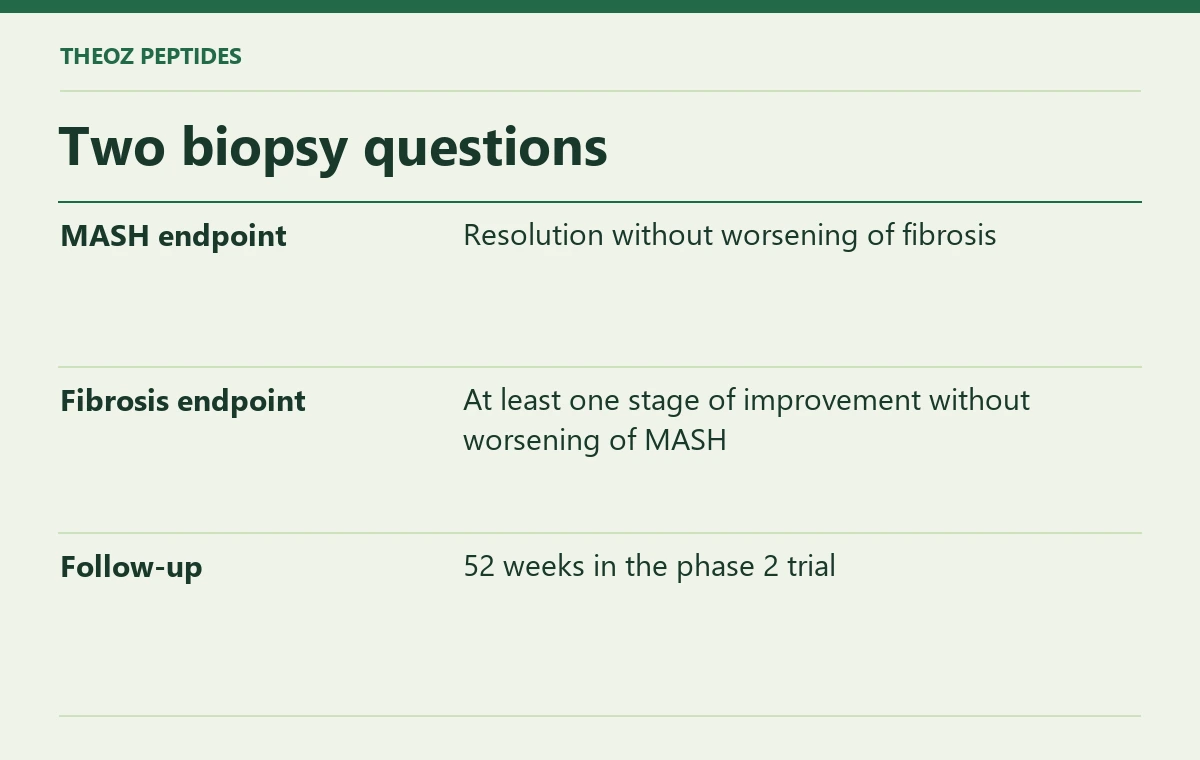
When a liver trial reports MASH resolution, what happened to fibrosis?
A guide to the two biopsy questions asked in SYNERGY-NASH and why a blood enzyme, an imaging result and a fibrosis stage cannot replace one another.
Read the article →
Did growth hormone improve every athletic test in the sprint study?
A randomized trial in recreational athletes reported a sprint finding. See why strength, endurance, body composition and sprint work require separate readings.
Read the article →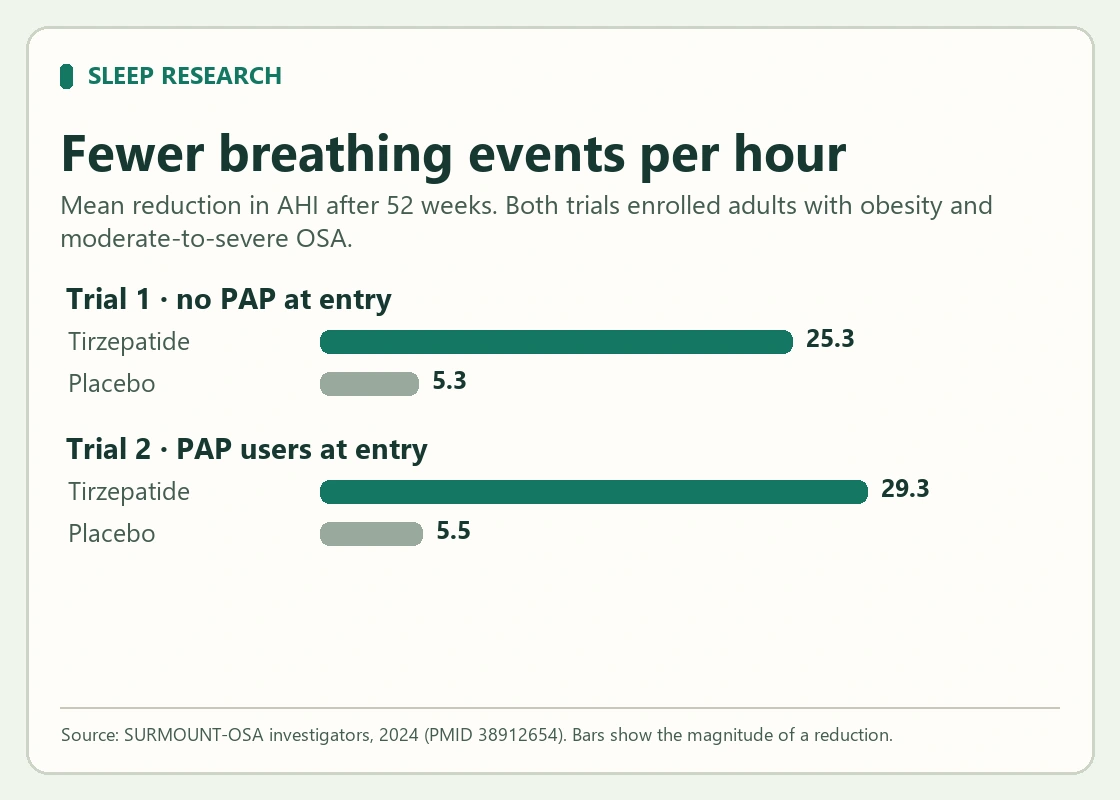
Tirzepatide and sleep apnea in Bali: how to read the AHI result
Two sleep trials measured breathing interruptions per hour. Compare the results with and without baseline PAP use and see which number to bring to a Bali sleep appointment.
Read the article →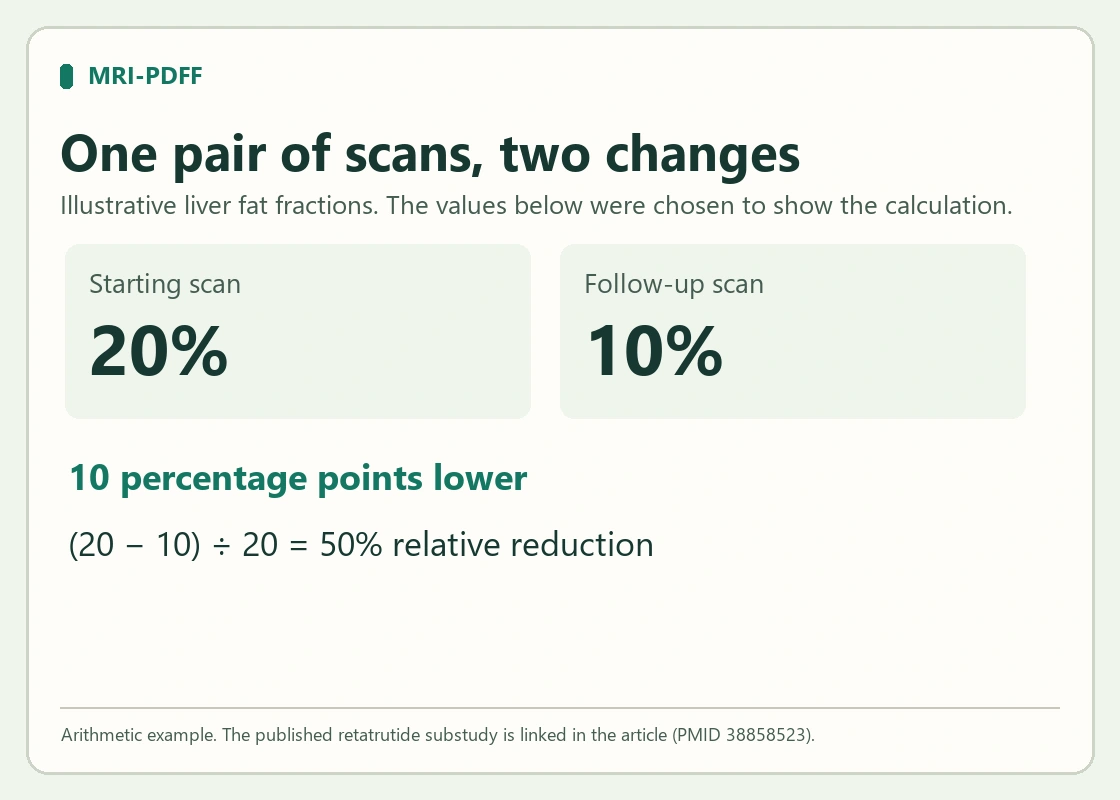
Retatrutide and liver fat in Bali: what the MRI percentages mean
A phase 2 study measured changes in liver fat by MRI. Learn how to read the baseline threshold, relative percentages and the difference between liver fat and fibrosis.
Read the article →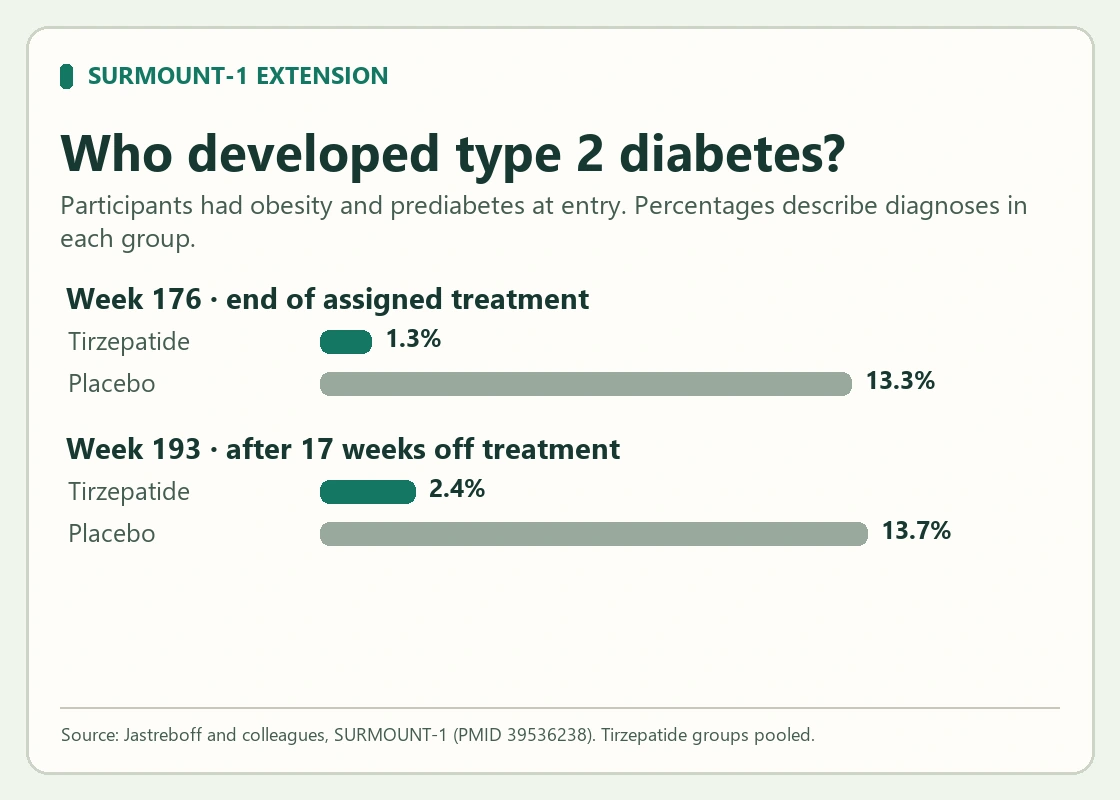
Tirzepatide and prediabetes in Bali: the three-year trial in numbers
See who entered the SURMOUNT-1 extension, how many developed type 2 diabetes at 176 weeks and what the 17-week follow-up adds to a conversation in Bali.
Read the article →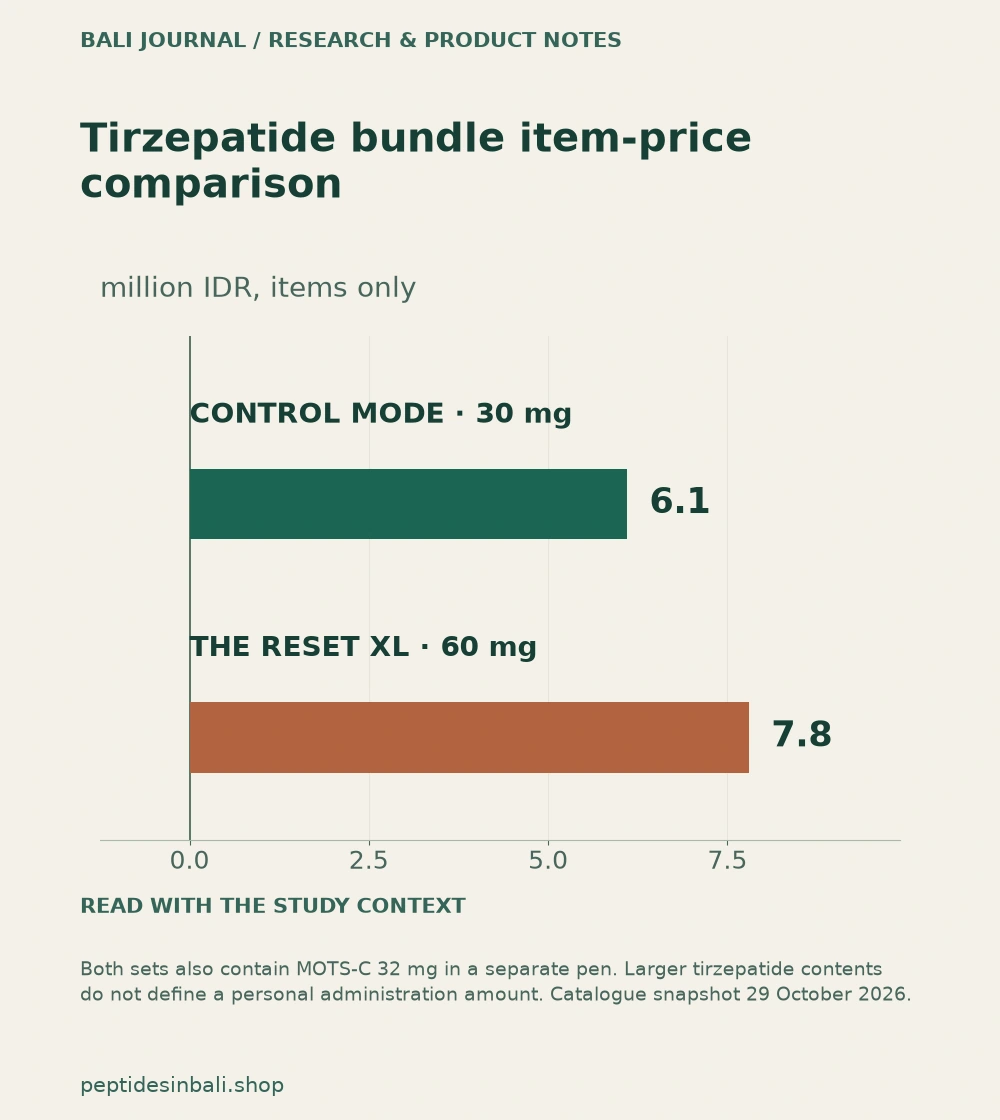
Control Mode vs The Reset XL: comparing two tirzepatide bundles in Bali
See the two pens in each Theoz bundle, the IDR 1.7 million difference, item savings and the delivered price for a two-pen Bali order.
Read the article →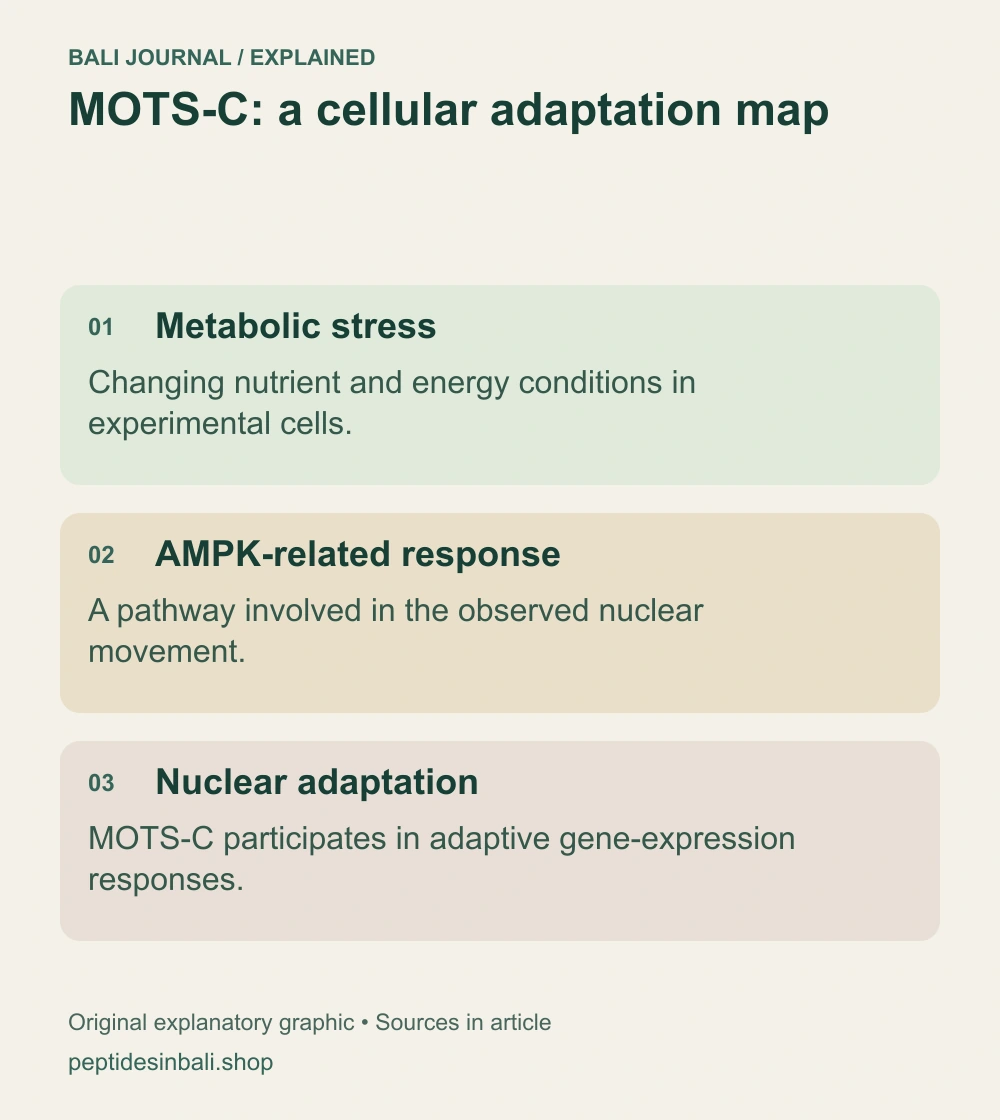
How MOTS-C reaches the nucleus: what a Bali reader can learn from cell studies
Follow MOTS-C from mitochondria to the nucleus in a primary cell study. See how the experimental mechanism differs from exercise and from a 32 mg Bali pen.
Read the article →
Somatropin vs CJC-1295 + Ipamorelin: A Bali Comparison
Compare somatropin with CJC-1295 + ipamorelin: hormone replacement, signalling, evidence and the actual pen formats and IDR prices in Bali.
Read the article →
Tirzepatide vs Semaglutide in Bali: What the Trial Shows
Read the head-to-head tirzepatide and semaglutide findings, understand their limits and compare the tirzepatide pen formats listed by Theoz in Bali.
Read the article →
Tirzepatide, Fat Loss and Lean Mass: A Bali Training Guide
Understand tirzepatide body-composition findings, why lean mass is not the same as muscle and what to track alongside a Bali training routine.
Read the article →
Peptide Pen Prices in Bali: When Cost per mg Helps
Compare full-pen prices, cost per mg, bundle savings and delivery in Bali. See why the lowest unit price is only one part of a useful comparison.
Read the article →
Melanotan II vs Melatonin: Different Compounds, Bali Guide
Melanotan II and melatonin sound similar but have different roles. Understand pigmentation, sleep-related searches and the MT-II 20 mg pen in Bali.
Read the article →
Retatrutide in Bali: a Guide to the Triple-Agonist and the 32 mg Pen
Understand the three-receptor research, separate study results from product claims and see exactly what the Theoz 32 mg listing includes.
Read article ↗
Tirzepatide vs Retatrutide in Canggu: Research, Formats and Prices
A clear comparison of two widely searched compounds, with the difference between study evidence, total pen contents and the price you actually pay.
Read article ↗
Tesamorelin in Bali: Visceral Fat Research and the 32 mg Format
Why abdominal-fat research needs context, how to read a 32 mg pen label and which questions matter before comparing tesamorelin products.
Read article ↗
Appetite, Satiety and Peptides: Planning Better Meals in Bali
Less appetite is not the same as better nutrition. Build a practical Bali routine while understanding what peptide research can and cannot tell you.
Read article ↗
Weight Management in Seminyak: Build a Plan That Fits Your Bali Stay
Turn a vague fast-fat-loss goal into a practical plan for your stay, with a clear budget, realistic routine and the right product questions.
Read article ↗
Retatrutide, Energy Expenditure and Bali Heat: What to Keep Separate
A tropical climate does not turn a research finding into a stronger treatment. Understand energy expenditure, heat and the claims worth questioning.
Read article ↗
Tirzepatide and Insulin Sensitivity: A Bali Guide to the Key Terms
Understand the glucose-related language around tirzepatide, then read the 30 mg and 60 mg catalogue formats without confusing contents with dosing.
Read article ↗
The Expat Guide to a Sustainable Weight-Management Routine in Bali
A routine that survives coworking days, restaurant meals and hotel moves is more useful than a plan designed for a perfect week.
Read article ↗
Weight-Loss Plateaus in Bali: What to Review Before Changing Products
A stalled reading deserves a better explanation than “buy something stronger.” Use a structured review to separate data, routine and clinical questions.
Read article ↗
Travelling with Prefilled Pens in Bali: Packing, Labels and Handover
A prefilled format can simplify the pack, but travel still needs a plan. Keep product identity, handling instructions and delivery arrangements together.
Read article ↗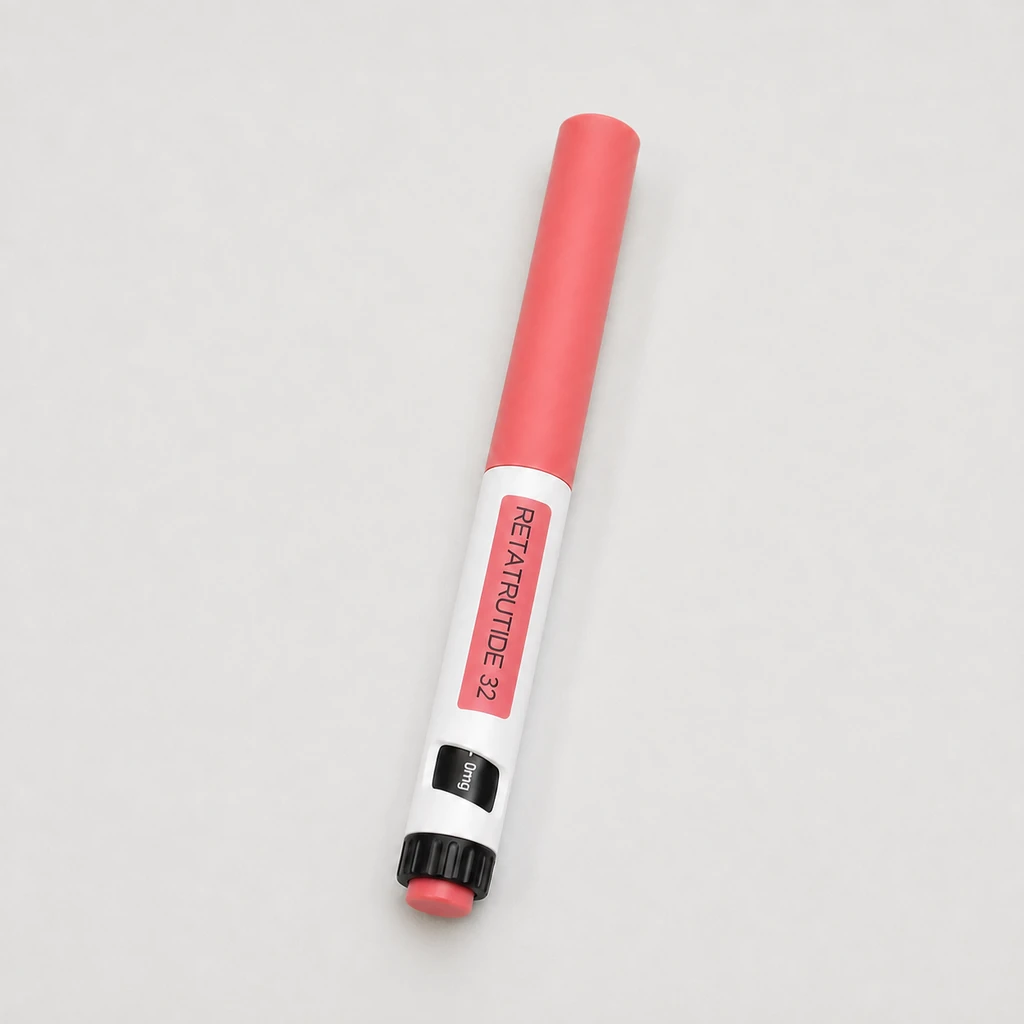
Retatrutide 32 mg in Bali: check the full price and the complete pack
A practical check of the 32 mg label, IDR 4,000,000 pen price, pack contents and final Bali delivery total.
Read article ↗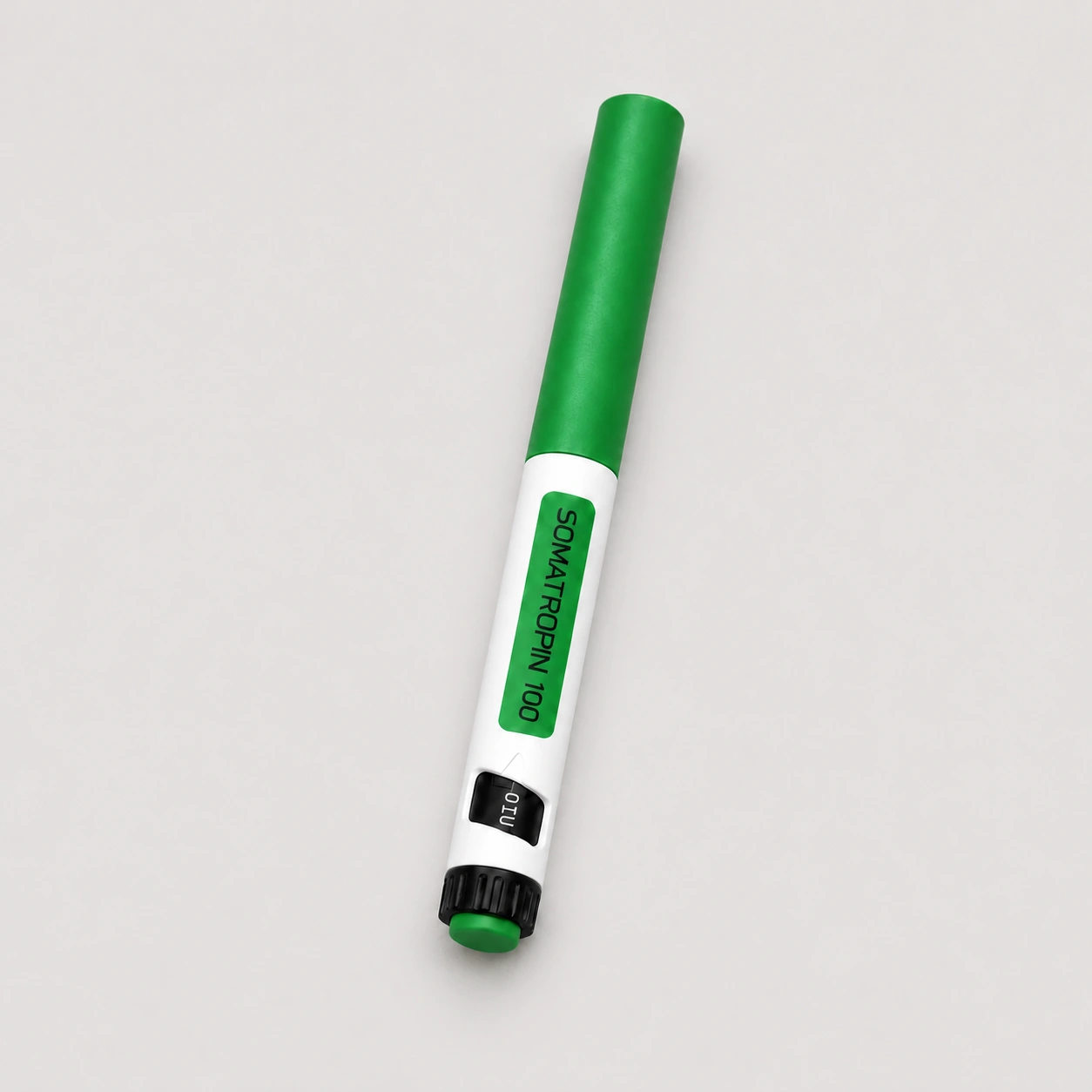
Somatropin 100 IU in Bali: read the pen label without mixing up the units
Why 100 IU is different from 100 mg, what the full-pen price covers and which details belong in a like-for-like HGH quote.
Read article ↗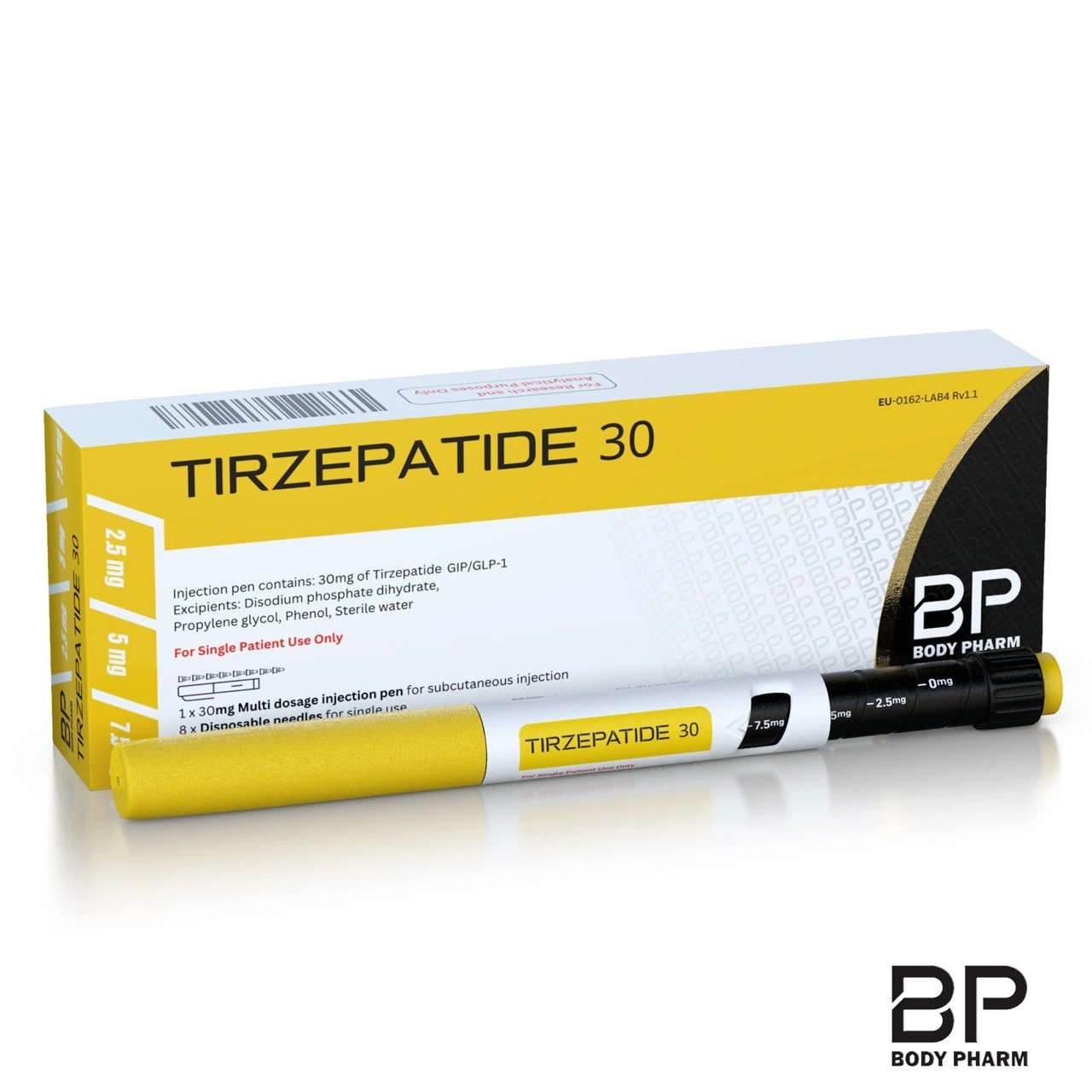
Peptide delivery in Bali: get a clear quote for your villa or hotel
The details that turn a short WhatsApp enquiry into an exact quote, a workable delivery window and a clear handover.
Read article ↗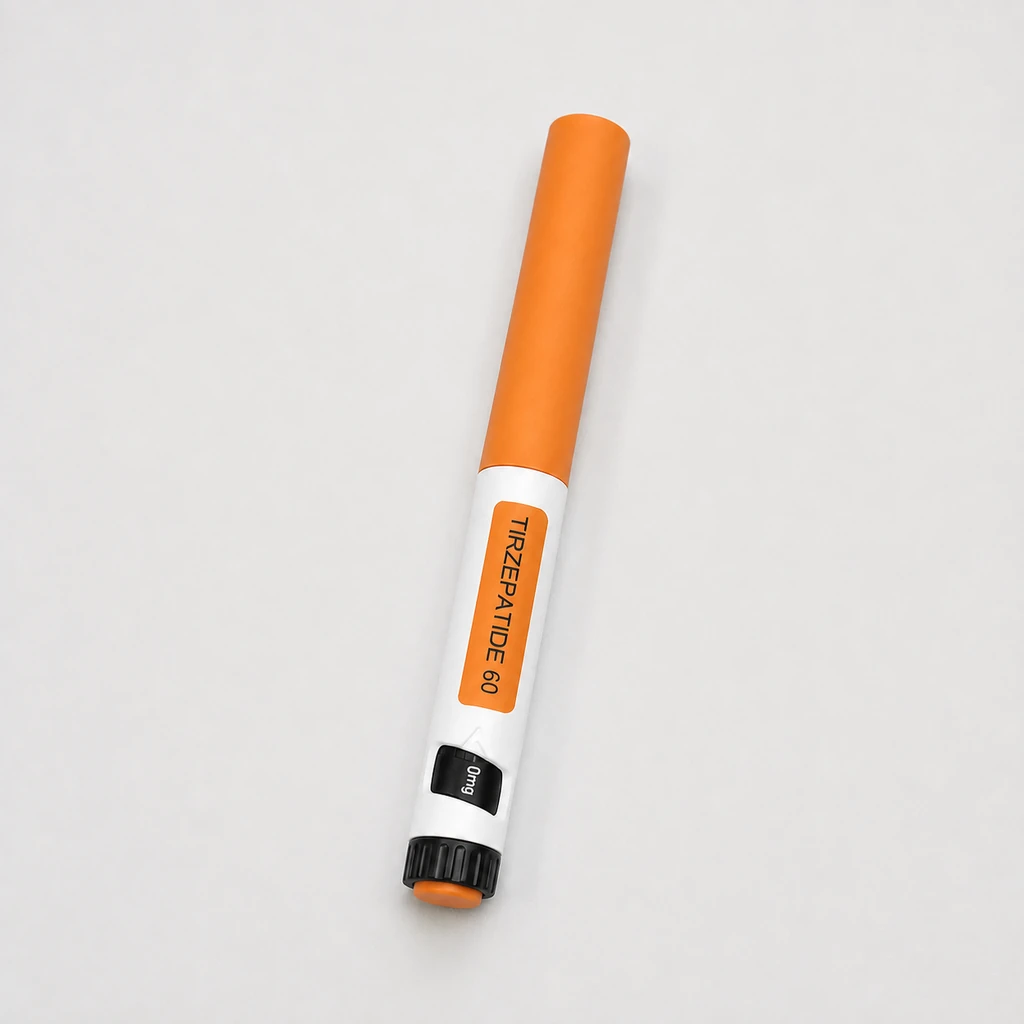
Tirzepatide 30 mg or 60 mg: compare the complete pen formats in Bali
A comparison of the two labelled pen formats, their total prices and matching bundles, without confusing total content with an individual dose.
Read article ↗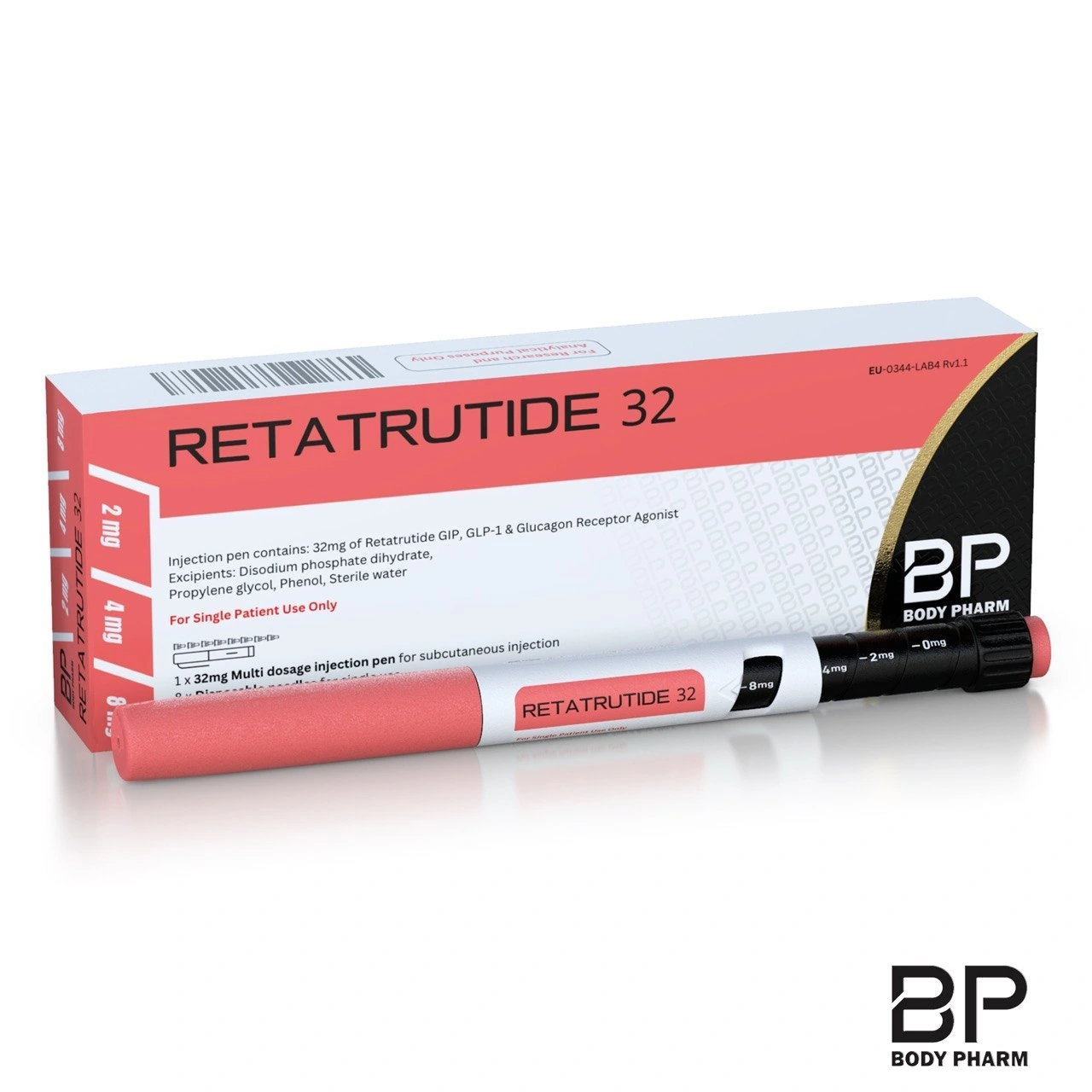
What to check in a prefilled pen pack before a Bali order
Use the three product views to understand the exact format, packaging and selector details of your Bali order.
Read article ↗
How three pens qualify for free Bali delivery
A bundle plus one pen, three individual pens or two bundles: the delivery rule follows the number of physical pens.
Read article ↗No articles match. Try another search or category.