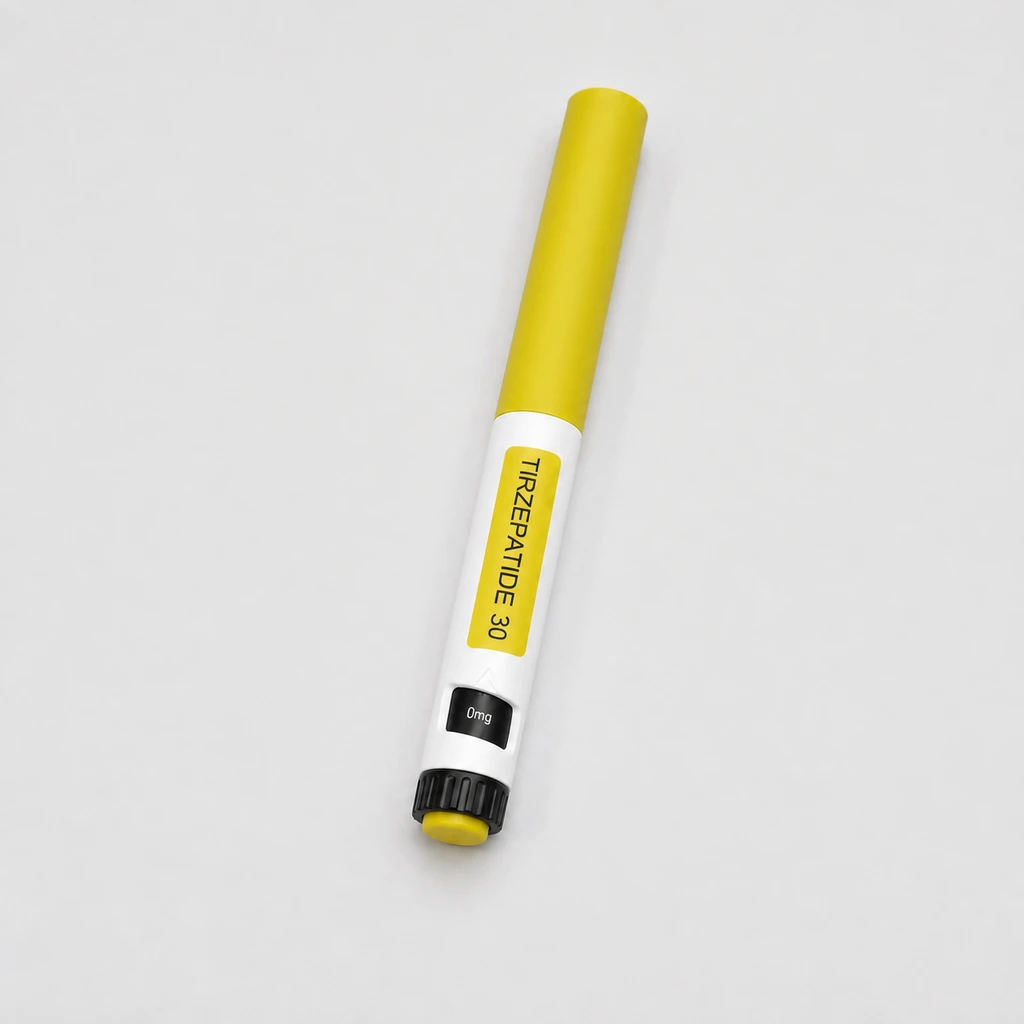
What did SURPASS-PEDS measure in young people with type 2 diabetes?
A paediatric diabetes study can appear in a news story with its population almost entirely removed.
A paediatric diabetes study can appear in a news story with its population almost entirely removed. SURPASS-PEDS studied young people with type 2 diabetes. Both the diagnosis and the starting treatment are essential to interpreting the outcome. A family in Bali should not have to infer either from the ingredient name.
Who actually entered?
The SURPASS-PEDS researchers studied tirzepatide versus placebo in children and adolescents whose diabetes was inadequately controlled on specified background therapy. The primary question concerned glycated haemoglobin at week 30. The study also examined body mass index and safety. A change in BMI was a separate result. It was not a finding about all adolescents concerned about weight. Ask whether the population, diagnostic history and previous treatment match the clinical question you face before taking numbers out of the trial.
Read the reported glycaemic difference
The pooled tirzepatide groups had an estimated HbA1c reduction of 2.23 percentage points, compared with an increase of 0.05 points with placebo. The between-group difference was approximately 2.28 points. A percentage-point change in HbA1c is not a percentage of body weight or an individual's predicted response. If a story discusses results over one year, identify where the main placebo-controlled period ended and what treatment was given in the following period. The clock matters as much as the unit.
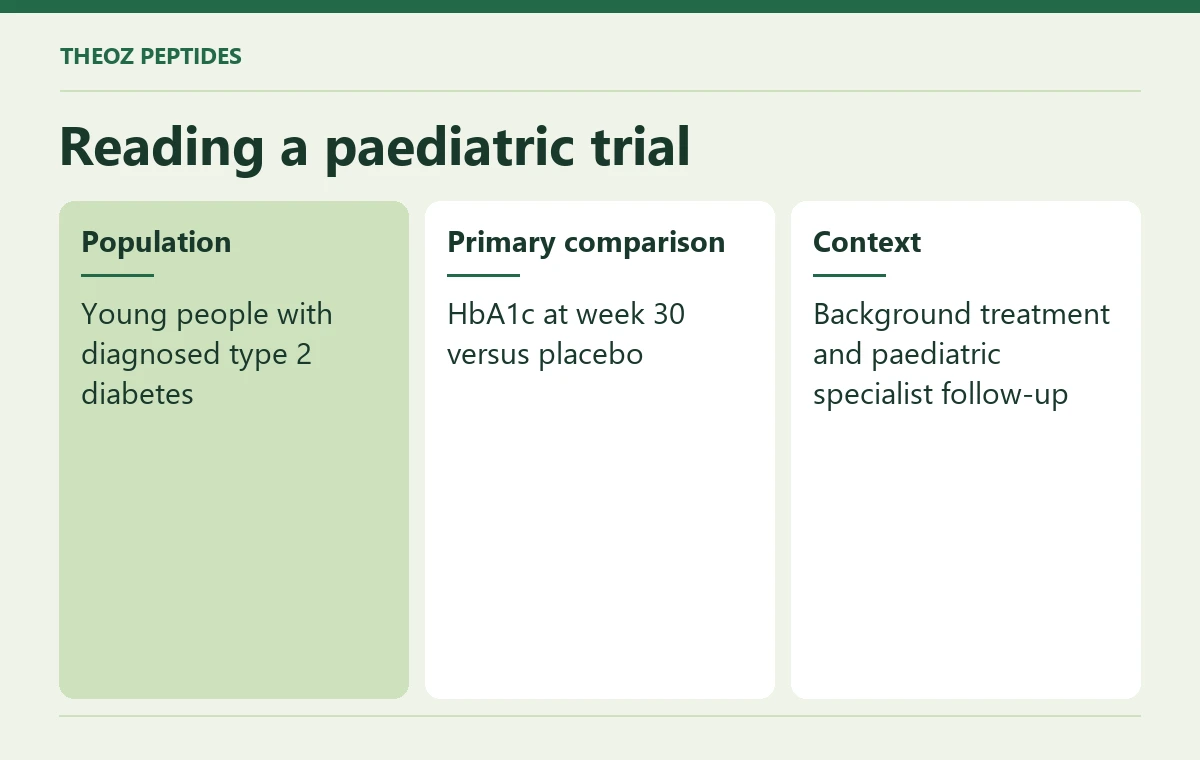
| Reading a paediatric trial | What to look for |
|---|---|
| Population | Young people with diagnosed type 2 diabetes |
| Primary comparison | HbA1c at week 30 versus placebo |
| Context | Background treatment and paediatric specialist follow-up |
Why adult evidence cannot replace this study
Young people have their own growth, development and clinical-care context. Adult research can inform a hypothesis but cannot automatically supply age-specific efficacy or safety data. The converse also applies: a trial in young people with established type 2 diabetes cannot settle a question about children with a different disorder or no diagnosis. Age and background care are part of the evidence.
What to bring to a Bali appointment
Bring dated glucose and HbA1c records, the documented diagnosis and current prescribed medicines. Ask a paediatric diabetes specialist what outcome is meaningful for this child and how applicable local product information affects care. If you copied a chart from a social post, annotate it with the population, treatment period and units from the original paper. A retail listing supplies a product name encountered in the news. It cannot establish a treatment plan for a minor.