Did GHK-Cu increase hyaluronic acid in the fibroblast experiment?
A product description saying copper peptide “stimulates the skin matrix” can conceal an important result: not every matrix component responded the same…
A product description saying copper peptide “stimulates the skin matrix” can conceal an important result: not every matrix component responded the same way in the laboratory experiment. GHK-Cu research on glycosaminoglycans offers a particularly clear example for Bali readers comparing copper peptides with hyaluronic-acid products.
What the laboratory separated
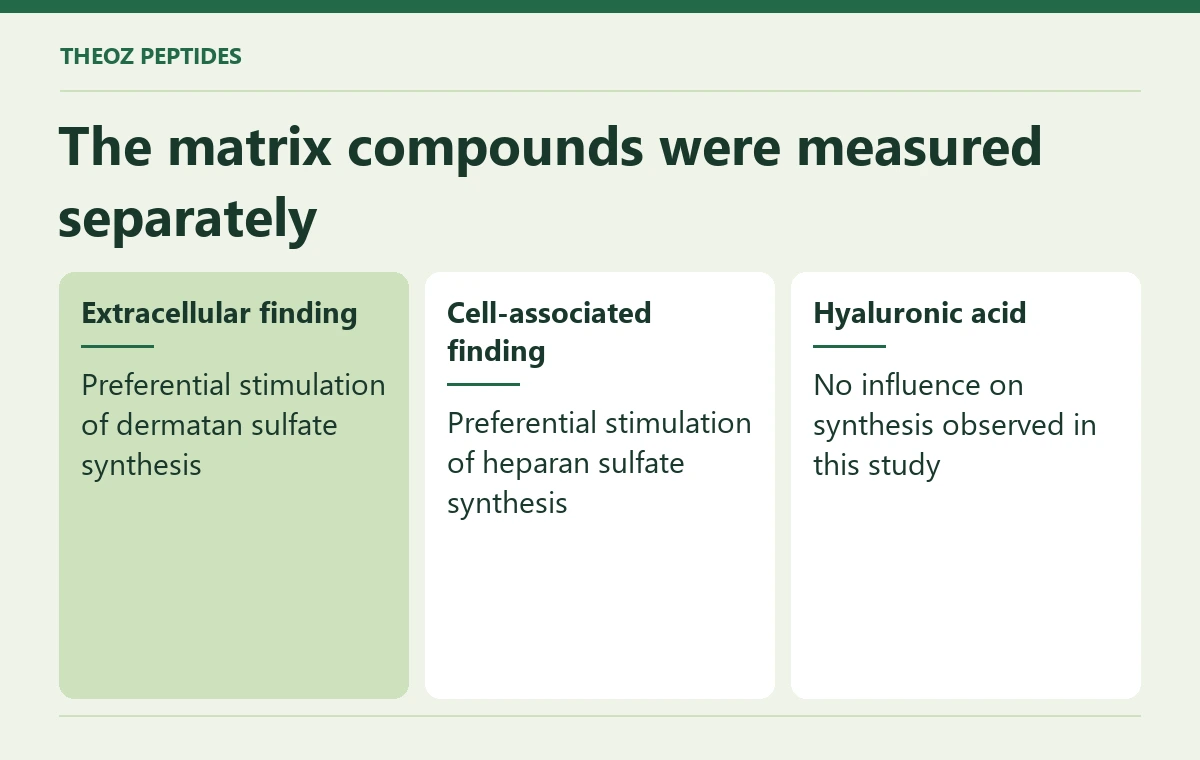
The original study examined glycosaminoglycan synthesis in cultured fibroblasts. Researchers distinguished compounds in the extracellular material from those associated with the cell layer. They reported preferential stimulation of extracellular dermatan sulfate and cell-associated heparan sulfate. They did not observe an influence on hyaluronic acid synthesis. A single statement that all glycosaminoglycans increased would therefore contradict a central detail of the experiment.
Why the names are worth retaining
Glycosaminoglycans are a family of carbohydrate chains, not interchangeable names for a single ingredient. Their chemical features, biological roles and location can differ. A headline can preserve the word “matrix” while removing which chemical population was studied. That matters if the practical claim concerns increasing hyaluronic acid specifically, moisturizing skin or improving a visible sign of aging. Those statements require different measurements.
| The matrix compounds were measured separately | What to look for |
|---|---|
| Extracellular finding | Preferential stimulation of dermatan sulfate synthesis |
| Cell-associated finding | Preferential stimulation of heparan sulfate synthesis |
| Hyaluronic acid | No influence on synthesis observed in this study |
A culture result and a cosmetic comparison are different tasks
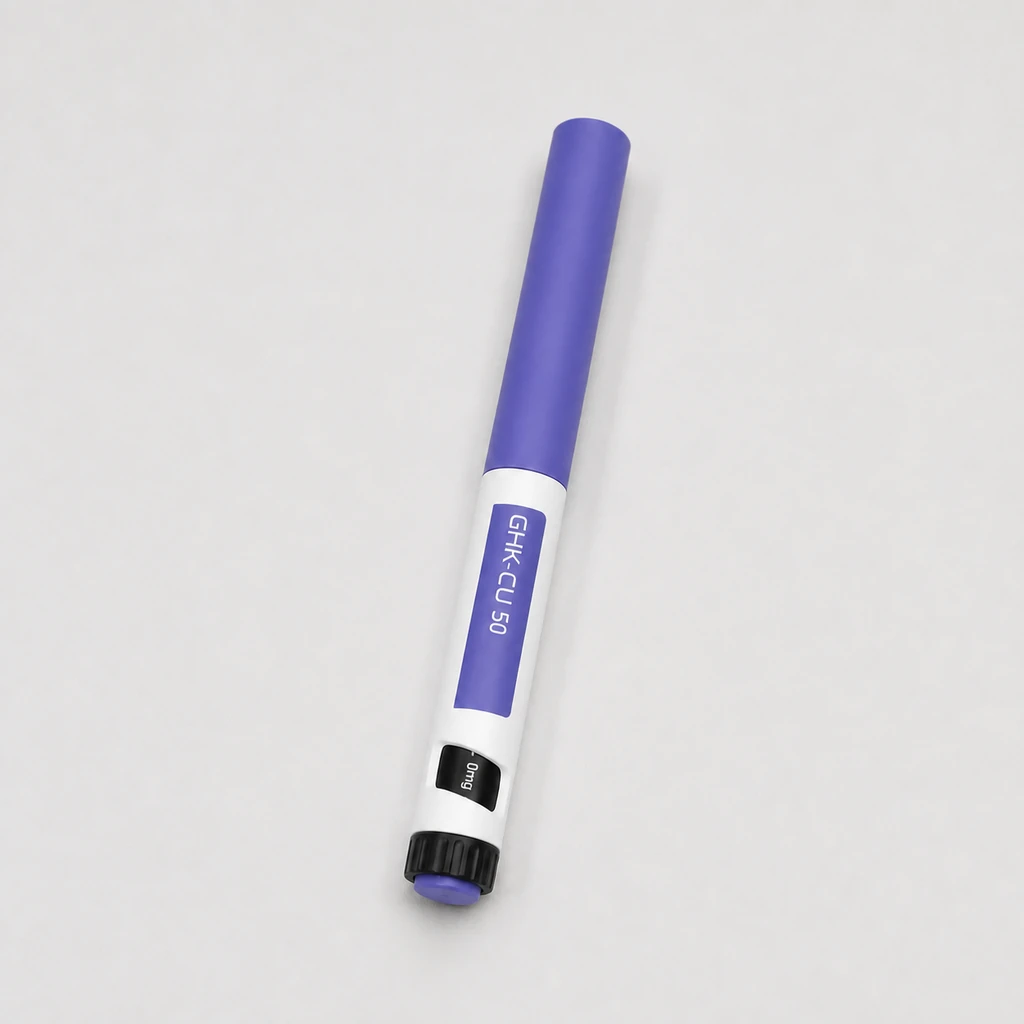
A cell experiment can show a controlled change in synthesis under the specified conditions. It cannot establish how two marketed skin products compare on hydration in people. An experiment designed for that decision would identify the exact formulations and routes, use a defined comparison and measure an appropriate human endpoint over time. A commercial pen and a topical hyaluronic-acid product cannot be ranked by the number of molecular pathways appearing in an article.
What to retain from the paper
Write the component, compartment, cell type and observed direction of change on one line each. Keep the negative hyaluronic-acid finding beside the positive findings for other compounds. For a Bali consultation about a particular skin concern, provide the actual products and the outcome that matters to you. The study offers a valuable result about matrix biology precisely because it distinguishes molecules instead of treating every skincare claim as the same.