Pigment or texture? How to read two very different skin studies
Compare a pigmentation outcome with a texture or healing outcome and identify which skin question a GHK-Cu or tranexamic acid study can actually answer.

Two photographs taken beside a bright Bali window can produce a convincing before-and-after even when the only thing that changed is the direction of the light. Skin studies work hardest when they define the feature being scored and control how it is observed.
Pigment, texture and satisfaction are different skincare outcomes. When comparing GHK-Cu with tranexamic acid in Bali, decide which one you want to understand before using the word “better”.
Give the outcome a name
A pigmentation assessment asks about the appearance and distribution of colour. A wrinkle or texture assessment asks a different question. A satisfaction questionnaire records how a participant feels about the result. These can all be meaningful, but one should not silently replace another.
The tranexamic-acid melasma study assessed a melasma severity score. The GHK-Cu post-laser study separated objective skin assessments from participant satisfaction. Neither was a head-to-head trial between these ingredients.
Why the distinction helps in practice
Imagine that a product page uses the phrase “better-looking skin” without saying what changed. Ask whether it refers to colour, surface appearance, symptoms or a subjective rating. The answer tells you which source to look for and which comparison is actually possible.
For a Bali resident tracking skin over time, keep the description consistent. A note about the size and colour of a patch should remain a pigmentation note. Do not combine it with an unrelated claim about firmness and call the combination a single improvement score.
Start with a focused consultation
The AAD treatment guide places sun protection and individualized assessment within melasma care. It also explains why treatment options differ. A focused question such as “Is this melasma, and how should it be assessed?” is more useful than asking for the strongest ingredient in a mixed list.
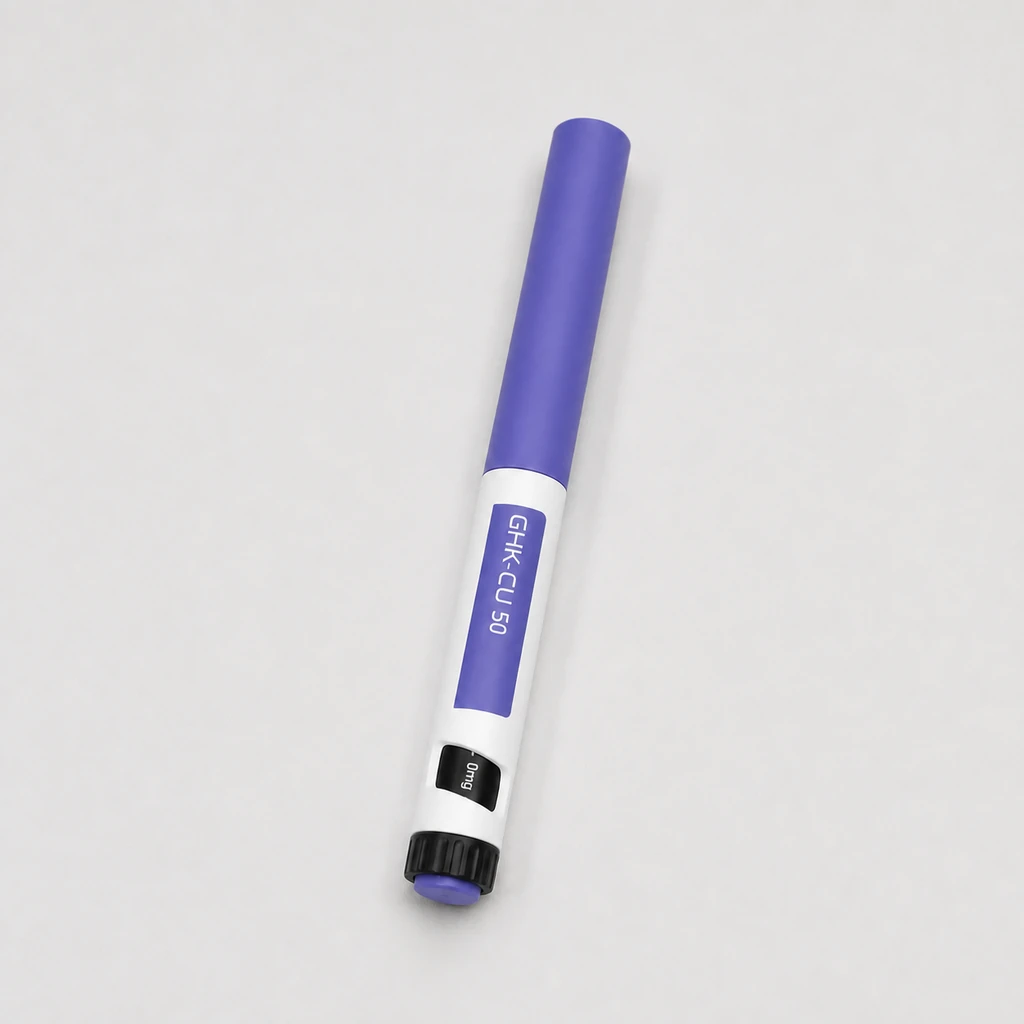
The GHK-Cu product entry describes its catalogue presentation. It does not convert topical study outcomes into evidence for a pen, or establish a pigmentation treatment. Use journal guides to compare terms, and keep the actual skin concern, product formulation and measured outcome together when evaluating a claim.
What a standardized picture would add
A frontal camera under diffuse lighting and a side-lit close-up emphasize different things. A color score can plausibly move while a texture score stays unchanged. A clinician grading recovery from resurfacing may be asking a third question about the return toward baseline after a procedure. Check whether the paper included the feature in the headline, how the assessor knew which photograph came first and whether other treatments changed at the same time.
| Skin outcome map | What to look for |
|---|---|
| Dark patches | Ask how pigmentation was graded |
| Surface texture | Ask who graded change and under what light |
| Recovery from a procedure | Record procedure and follow-up day |
The resurfacing study identifies its particular setting. Carry that setting into any conversation about the paper. Dropping it is how a narrow observation about a topical formulation becomes an unsupported statement about every copper peptide product.